
Hyperice Hypervolt 2 Pro Buying Guide for Powerful Quiet-Glide Percussion
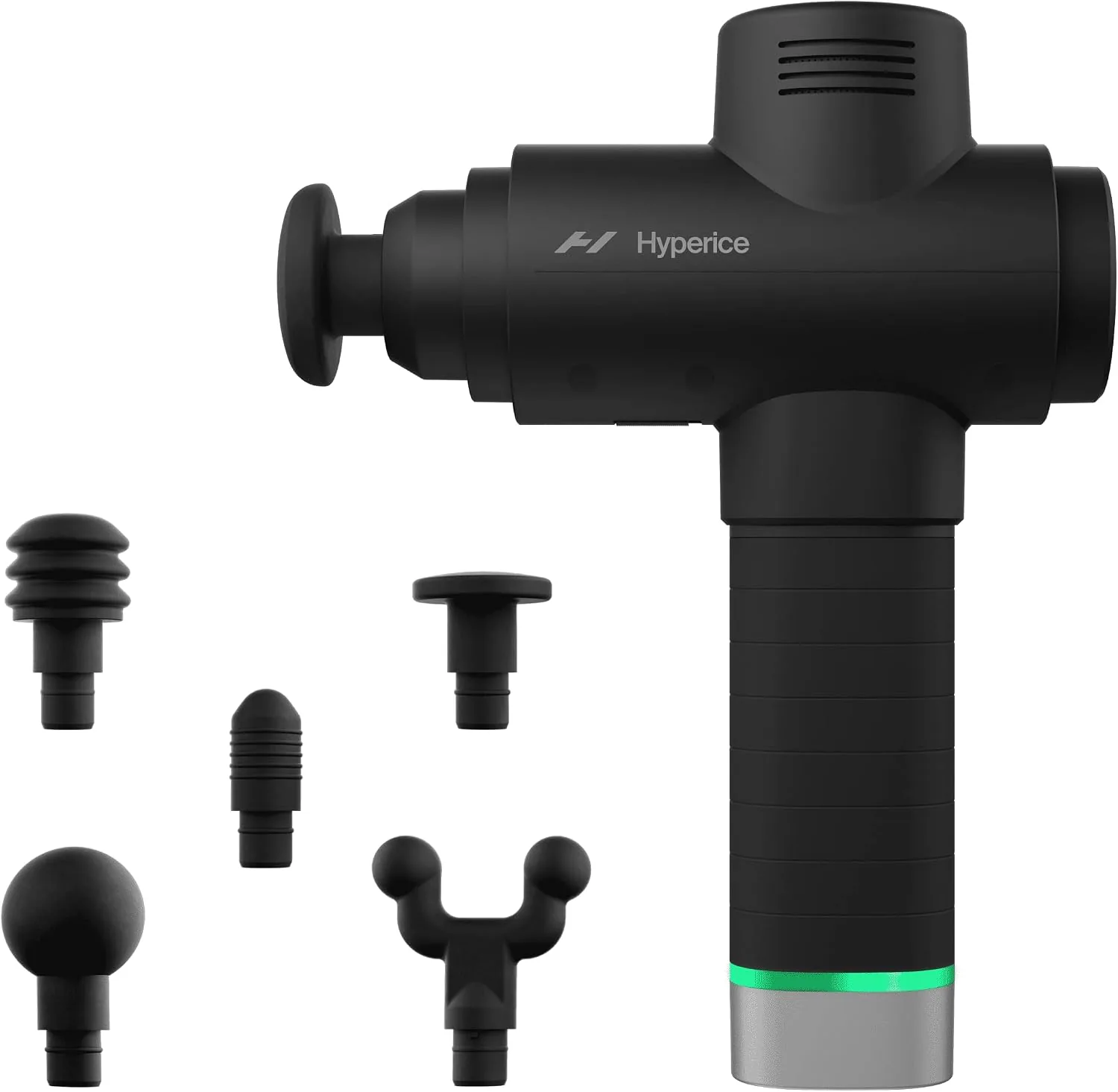
Investing in a high-end recovery tool means weighing serious performance against daily usability. The Hyperice Hypervolt 2 Pro targets buyers who need aggressive muscle relief but want a device that operates quietly enough for shared homes or clinical environments.
Who the Hyperice Hypervolt 2 Pro Is Designed For
This device sits firmly in the professional massage gun category. Physical therapists, athletic trainers, and dedicated home users form its core audience. If you regularly deal with intense muscle soreness, heavy training volumes, or chronic tightness, the added power and durability justify the investment over basic consumer models. It is specifically engineered for users who need consistent deep-tissue percussion to break up adhesions and accelerate recovery.
Assessing Power for Deep-Tissue Percussion
Not all massage devices deliver the same intensity. When evaluating a professional massage gun, look past marketing claims and focus on two metrics: stall force and amplitude. Stall force dictates how hard you can press the device into dense muscle tissue before the motor stalls. Amplitude refers to how far the head travels with each strike.
For effective deep-tissue percussion, a high stall force is non-negotiable. Cheaper, entry-level devices often stall the moment you apply real pressure against a tight calf or a dense quadricep. The Hypervolt 2 Pro maintains its striking speed and motor stability even under heavy load, ensuring the force transfers directly into the tissue rather than simply vibrating against the skin. This sustained pressure separates a clinical-grade tool from a novelty item.
What QuietGlide Technology Means for Home Use
Raw motor power is easy to engineer, but managing the acoustic footprint of that power is significantly harder. QuietGlide Technology addresses the primary complaint buyers have with older recovery tools: excessive noise. High-torque motors traditionally generate a loud, mechanical whine that makes watching television or holding a conversation impossible while using the device.
By integrating acoustic sound insulation and a refined drivetrain, this technology dampens operational noise. You can treat tight muscles early in the morning or late at night without waking the household. For professionals operating in a clinical setting, a quieter device allows for clear communication with clients during treatment.
Size, Grip, and Attachment Considerations
Power means little if poor ergonomics prevent you from reaching the muscles that need treatment. A device intended for deep-tissue percussion must feature a grip diameter that prevents hand fatigue during extended sessions. The structural balance of the unit dictates how easily you can maneuver the head behind your shoulder blades or along the hamstrings without straining your wrist.
Attachments are equally critical. The right head allows you to target specific muscle groups safely. A flat head works well for dense, large muscle areas, while a bullet head pinpoints trigger nodes and specific knots. Ensure your device offers a versatile array of interchangeable heads to accommodate varying muscle densities.
Transporting Your Recovery Gear
Fitness enthusiasts and physical therapy professionals frequently travel with their recovery equipment. Protecting a high-value device like the Hypervolt 2 Pro in transit is a legitimate concern. When sourcing travel bags, prioritize durability, specific dimensions, and organization.
| Product | Price | Key Specification | Best For |
|---|---|---|---|
| Eackrola Large Sports Gym Bag | $31.99 | 25 x 13 x 12 inches, 65L capacity, includes wet pocket | Budget-conscious buyers needing high-volume storage for daily gym transport |
| SwissGear 1900 ScanSmart Backpack | $99.99 | Fits 17-inch laptops, high organizational capacity | Travelers integrating recovery tools with tech and office gear |
For gym visits or daily transport, a dedicated duffel or backpack offers practical utility. The Eackrola Large Sports Gym Bag features a wet pocket and offers a 65L capacity, providing ample room to separate a recovery device from sweaty clothing. If you need a heavy-duty option for air travel or carrying additional tech, the SwissGear 1900 ScanSmart Laptop Backpack provides robust organization and fits most 17-inch laptops alongside your gear.
When to Choose the Hypervolt 2 Pro Over a Compact Model
Compact, mini percussion devices have flooded the market. They are lightweight, highly portable, and often cost significantly less. However, their smaller form factor inherently limits motor size, battery capacity, and stall force. You should choose the Hypervolt 2 Pro over a compact model if your primary goal is aggressive, effective deep-tissue work rather than simple surface-level vibration.
If you only need light recovery for minor soreness or want something that fits in a jacket pocket, a mini device will suffice. But if you are an athlete pushing heavy loads, a therapist treating multiple clients, or someone dealing with severe muscular tightness, smaller devices will inevitably stall out and fail to provide the required penetration. The full-size unit is a necessary investment for actual therapeutic outcomes.
Final Buying Checklist
Before finalizing your purchase, run through this practical checklist to ensure the device meets your specific requirements:
- Assess Stall Force Requirements: Confirm the device can handle the deep pressure required for your specific muscle density without bogging down.
- Prioritize Acoustic Comfort: Verify that the device utilizes QuietGlide Technology or similar sound-dampening engineering if you plan to use it in shared or quiet environments.
- Evaluate Grip Ergonomics: Check the handle diameter and overall weight to ensure you can comfortably hold the device at various angles without wrist fatigue.
- Review Attachment Variety: Ensure the unit includes multiple head shapes to safely address different muscle groups, from large surfaces to pinpoint trigger points.
- Secure Transport Storage: Choose a durable bag that accommodates the device's dimensions while protecting it from impact during transit.
Evaluating these factors ensures you select a recovery tool that delivers consistent clinical results rather than superficial relief.
Related Resources
Related Products
 USD 104.25
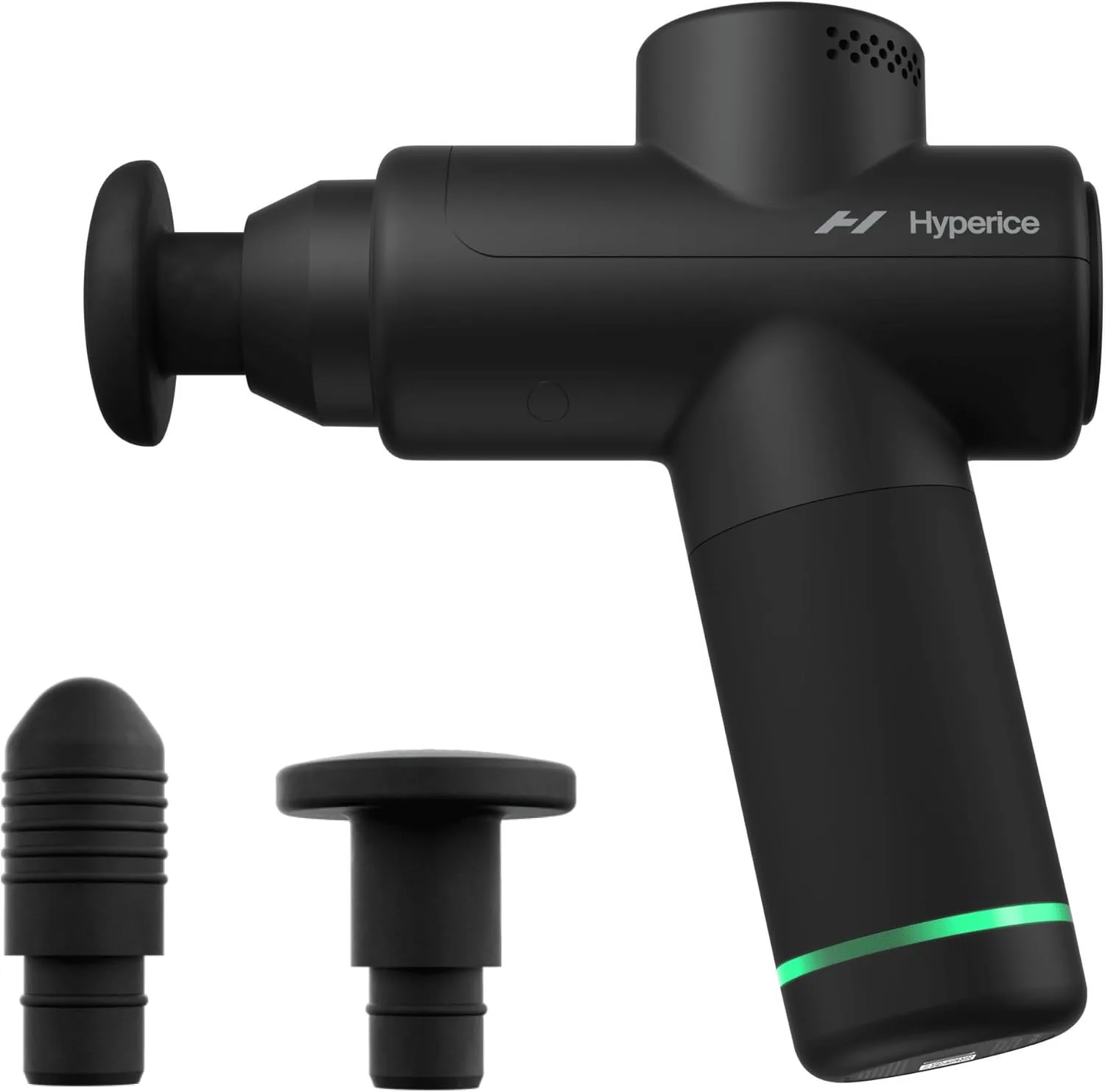
Hyperice Hypervolt Go 2 - Black - Featuring Quiet Glide Technology - Handheld Percussion Massage Gun - 3 Speeds, 2 Interchangeable Heads - Helps Relieve Sore Muscles and Stiffness
On the go: Compact and lightweight, the Go 2 fits in your hand and in your bag. Press and…
View Details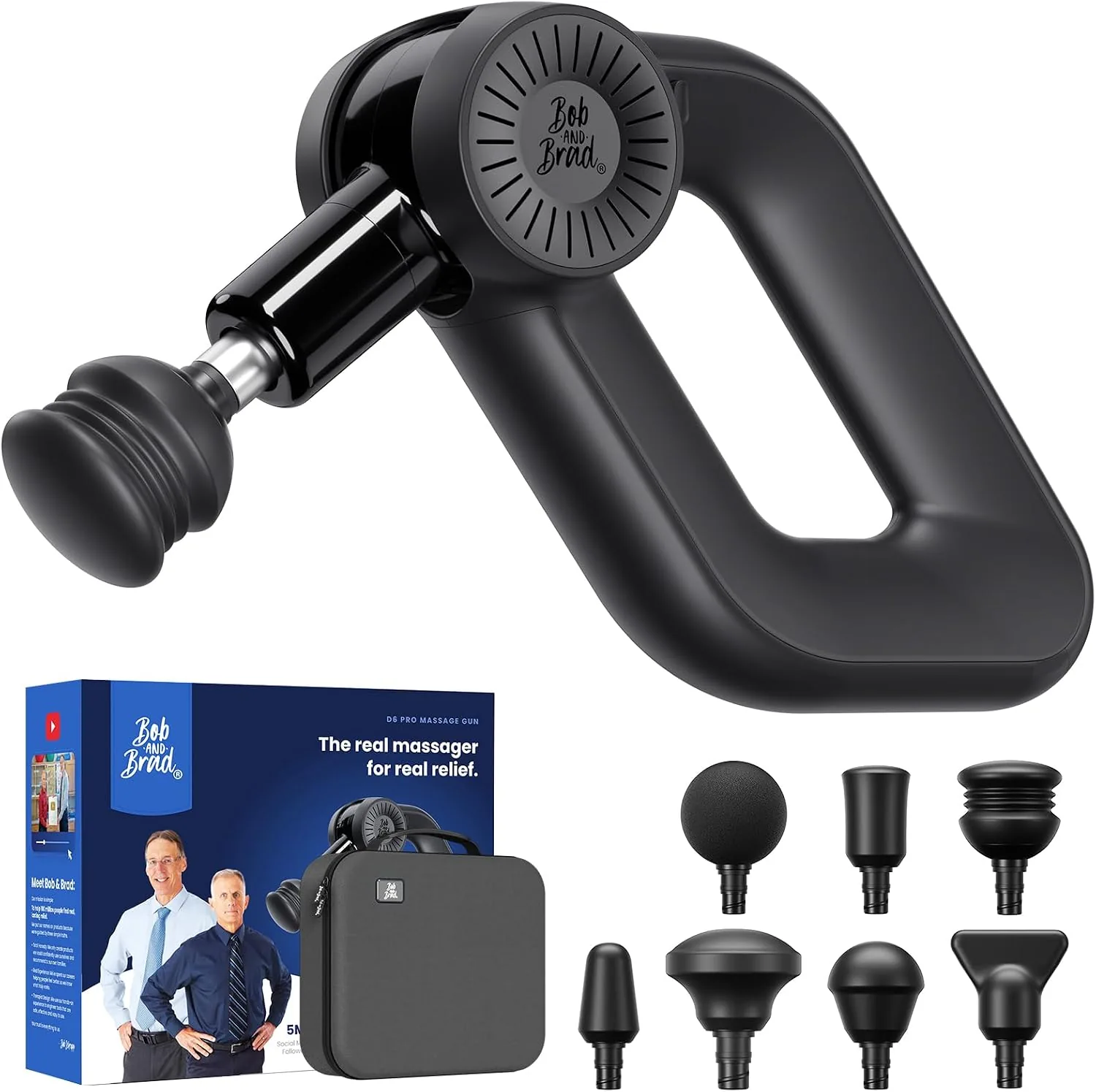 USD 149.99
BOB AND BRAD D6 Pro Massage Gun Deep Tissue Percussion with 16mm Amplitude 85lbs Stall Force, FSA Eligible & HSA Approved Professional Muscle Massager for Athletes, Quiet Electric Back Massager
Developed by Famous PTs Bob & Brad + World-Class Support: Created by the "Two Most Famous…
View Details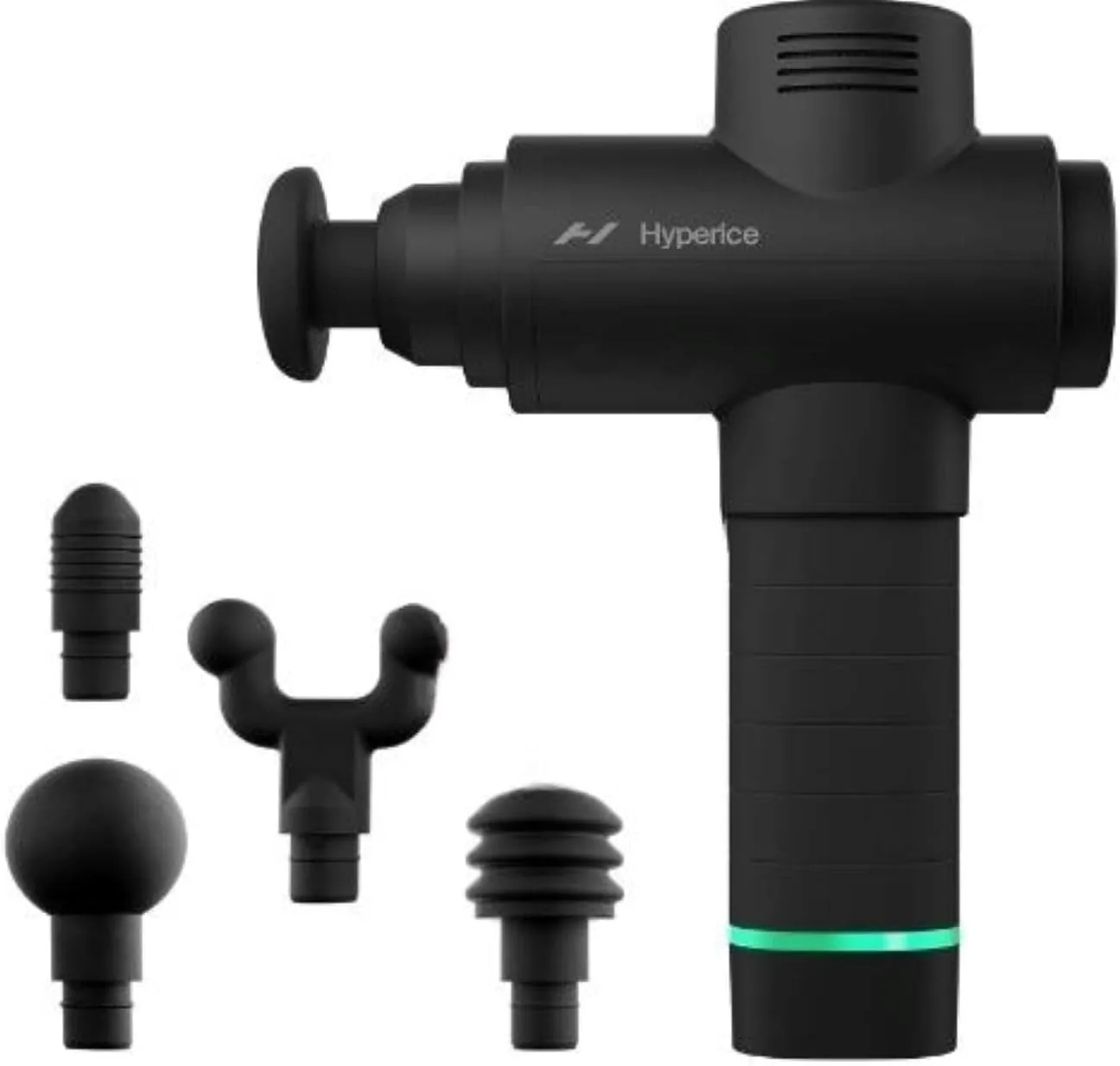 USD 149.99
Hyperice Hypervolt 2 Black - Featuring Quiet Glide Technology - Handheld Percussion Massage Gun | 3 Speeds, 5 Interchangeable Heads | Helps Relieve Sore Muscles and Stiffness
The original Hypervolt with some serious upgrades - lighter, more powerful, and a newly d…
View Details
USD 246.75
Hyperice Hypervolt 2 Pro - Featuring Quiet Glide Technology - Handheld Percussion Massage Gun - 5 Speeds, 5 Interchangeable Heads - Helps Relieve Sore Muscles and Stiffness
The Hypervolt 2 Pro is our strongest percussion device, offering deep-penetrating relief …
View DetailsRelated Articles
- Desktop Charging Station Buying Guide for Six-Device Charging
- Satechi ChargeView 140W Desktop Charger Buying Guide for Power Users
- Hyperice Hypervolt 2 Buying Guide for Everyday Quiet Muscle Recovery
- Hyperice Hypervolt Go 2 Buying Guide for Compact Quiet Recovery
- Hyperice Hypervolt Go 2 Buying Guide for Compact Everyday Recovery
- Massage Gun Buying Guide for Calves and Feet