
Lightweight Massage Gun Buying Guide for Limited Hand Strength
When sourcing percussion massagers, importers often overlook a critical factor: users with limited hand strength will quickly abandon a heavy device that vibrates aggressively. This lightweight massage gun buying guide highlights the exact features procurement teams must prioritize—weight distribution, grip ergonomics, and vibration dampening—to ensure comfortable, high-converting products.
Who Needs a Lightweight Massage Gun?
A common sourcing mistake is assuming all percussion massagers serve the same demographic. Mid-size importers frequently buy heavy, high-powered devices built for athletes, only to face high return rates from older adults, physical therapy patients, and casual users. These consumers need an easy to hold massage gun because they lack the grip endurance to manage a two-pound device for a full treatment cycle.
If your retail customers serve the active recovery, senior wellness, or rehabilitation markets, weight becomes a primary selling point. A light massage gun prevents wrist strain, allowing users to target sore muscles independently without requiring assistance. Understanding this distinction helps you segment your SKUs and market the right tool to the right buyer.
Weight, Balance, and Grip Factors to Compare
Procurement teams must look beyond the total listed weight. A device can weigh just over a pound but still feel unwieldy if the motor sits at the far end of the head, creating a pendulum effect that taxes the wrist. Balance matters just as much as absolute mass.
Compare these physical attributes when requesting factory samples:
- Total unit weight: Aim for models under 1.5 pounds for the target demographic.
- Center of gravity: The motor and battery should sit closer to the user's hand rather than near the massage head.
- Grip circumference: A narrower, tapered handle is easier for smaller hands to secure.
- Material composition: Look for durable ABS plastics rather than heavy metal housings to keep the unit light.
Thoughtful structural engineering directly improves user comfort across consumer products. For example, the KAVU Rope Sling Bag utilizes a specific strap design to distribute weight across the body hands-free. This same principle of weight distribution applies to handheld consumer electronics, where a properly balanced massager feels significantly lighter than its actual scale weight.
Managing Vibration Transferred to the Hand
High stall force means nothing if the user's hand goes numb after thirty seconds. A low vibration massage gun isolates percussion energy in the muscle tissue rather than transferring it back through the handle. This remains a frequent failure point for budget imports.
Suppliers often use cheap, unbalanced motors that rattle the entire chassis. To avoid this, request tear-down reports or ask the factory how they isolate the motor housing. Some manufacturers use rubberized suspension systems or counter-weights to absorb mechanical shock. Sourcing a device with effective internal dampening reduces the risk of nerve irritation for the end user, which in turn lowers your return rate.
Essential Controls for Easy Operation
Complex interfaces frustrate users with limited dexterity. A comfortable massage gun should feature large, tactile buttons that do not require precise finger movements to activate. Small touchscreens or recessed controls that demand a firm press are a red flag for the senior market.
Look for models with a simple toggle switch for power and a clearly marked dial or oversized buttons for speed adjustments. The interface must be operable while the user actively moves the device across their back or legs. When a user has to stop, readjust their grip, and squint at a tiny digital display to change settings, the product's usability drops significantly.
Trade-offs Between Lighter and More Powerful Models
Importers face a constant tug-of-war between device weight and motor power. Heavy-duty massage guns deliver deep tissue relief but demand significant grip strength. Lighter models prioritize accessibility but sometimes sacrifice stall force. You have to weigh the cost of heavier components against the risk of alienating buyers who simply cannot lift the device.
Other consumer products balance these competing demands in similar ways. The Beats Solo 4 on-ear headphones prioritize portability and a lighter fit, offering up to 50 hours of battery life without the bulk of larger studio models. Conversely, the Bose QuietComfort Ultra headphones weigh more to house advanced spatial audio components, trading absolute lightness for premium acoustic performance.
Product Comparison: Balancing Features and Weight
To understand how manufacturers balance features, weight, and price, compare these distinct approaches to consumer electronics design:
| Brand & Model | Category | Key Feature | Price |
|---|---|---|---|
| Beats Solo 4 | On-Ear Headphones | Lighter design with up to 50 hours of battery life | $199.99 |
| Bose QuietComfort Ultra | Over-Ear Headphones | Heavier housing to support spatial audio technology | $379.00 |
| KAVU Rope Sling Bag | Crossbody Bag | Hands-free structural weight distribution | $64.95 |
The Beats Solo 4 is ideal for buyers who prioritize mobility and ease of wear over heavy-duty acoustic isolation. The Bose QuietComfort Ultra serves a different demographic willing to handle a heavier device to access premium features. Use this same logic when sourcing massage guns: align the physical weight of the device with the feature set your specific customer actually needs.
Actionable Takeaways for Importers
Sourcing the right percussion device requires looking past the marketing claims on the spec sheet. Keep these actionable steps in mind before placing your next factory order:
- Request physical samples: Hold the device in various grip positions to test the center of gravity and handle circumference firsthand.
- Test the vibration transfer: Run the massager at maximum speed and note whether your hand tingles after sixty seconds of continuous use.
- Evaluate the interface: Ensure the buttons are accessible and require minimal effort to press while the device is in motion.
- Segment your catalog: Stock both lightweight, low-vibration models for rehabilitation markets and heavier, high-stall-force devices for athletic recovery.
By prioritizing balance, accessible controls, and motor isolation, you can source products that serve users with limited hand strength and keep your return rates low.
Related Resources
Related Products
 USD 52.49
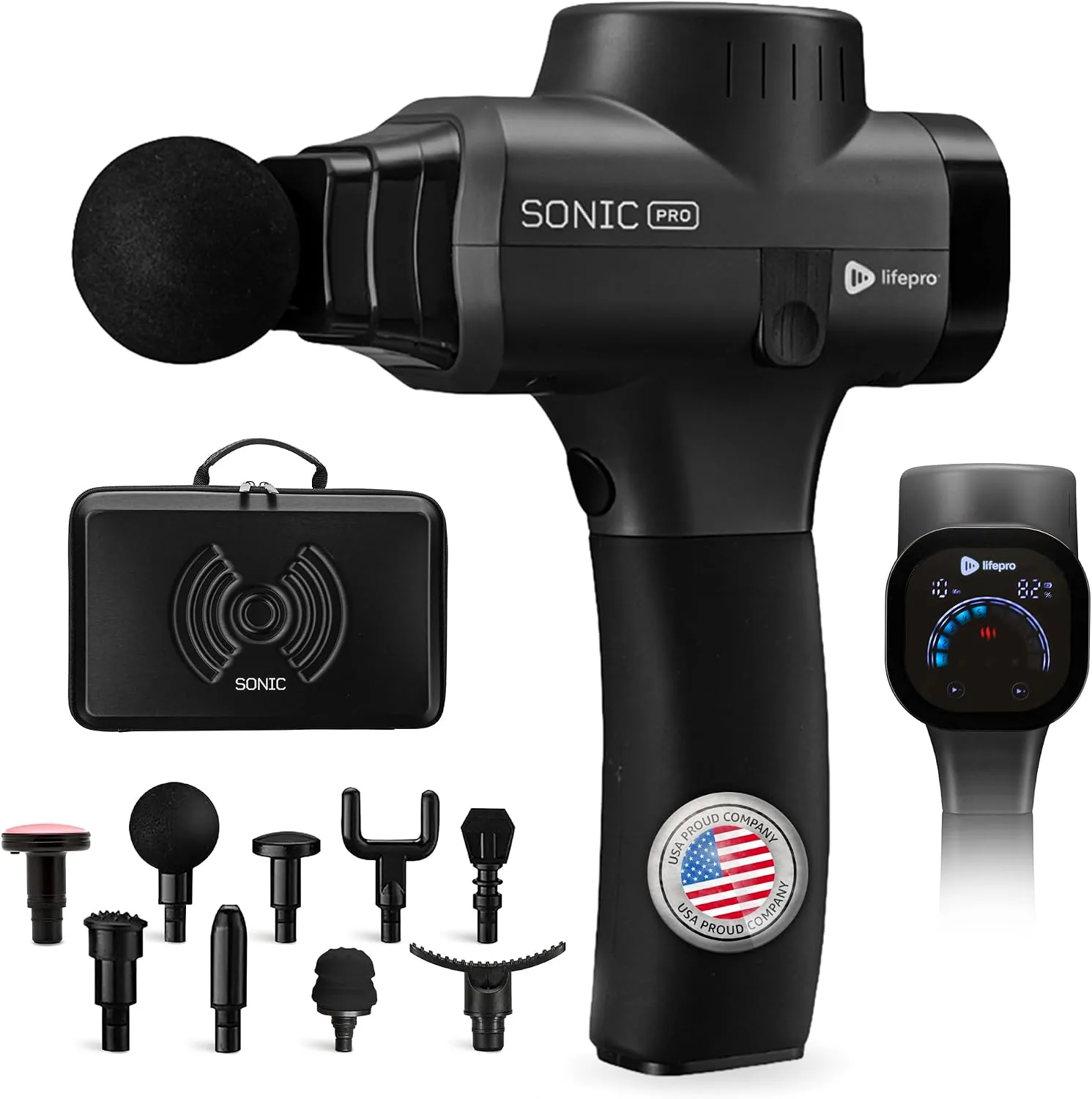
Lifepro SonicPro Massage Gun Deep Tissue with Heat — Percussion Massager Gun 10 Speeds 9 Heads — Muscle Massager for Athletes Back, Legs, Arms
BUILT FOR ATHLETIC RECOVERY: Lifepro Sonic Pro percussion massage gun is designed with at…
View Details USD 35.03
ALPS Mountaineering Folding Camping Table with Smooth Easy-to-Clean Roll Top and Sturdy and Lightweight Aluminum X Frame, Shoulder Carry Bag, 3 Sizes
DURABLE camping tables that fold up lightweight with aluminum roll-top and strong X-frame…
View Details
USD 89.99
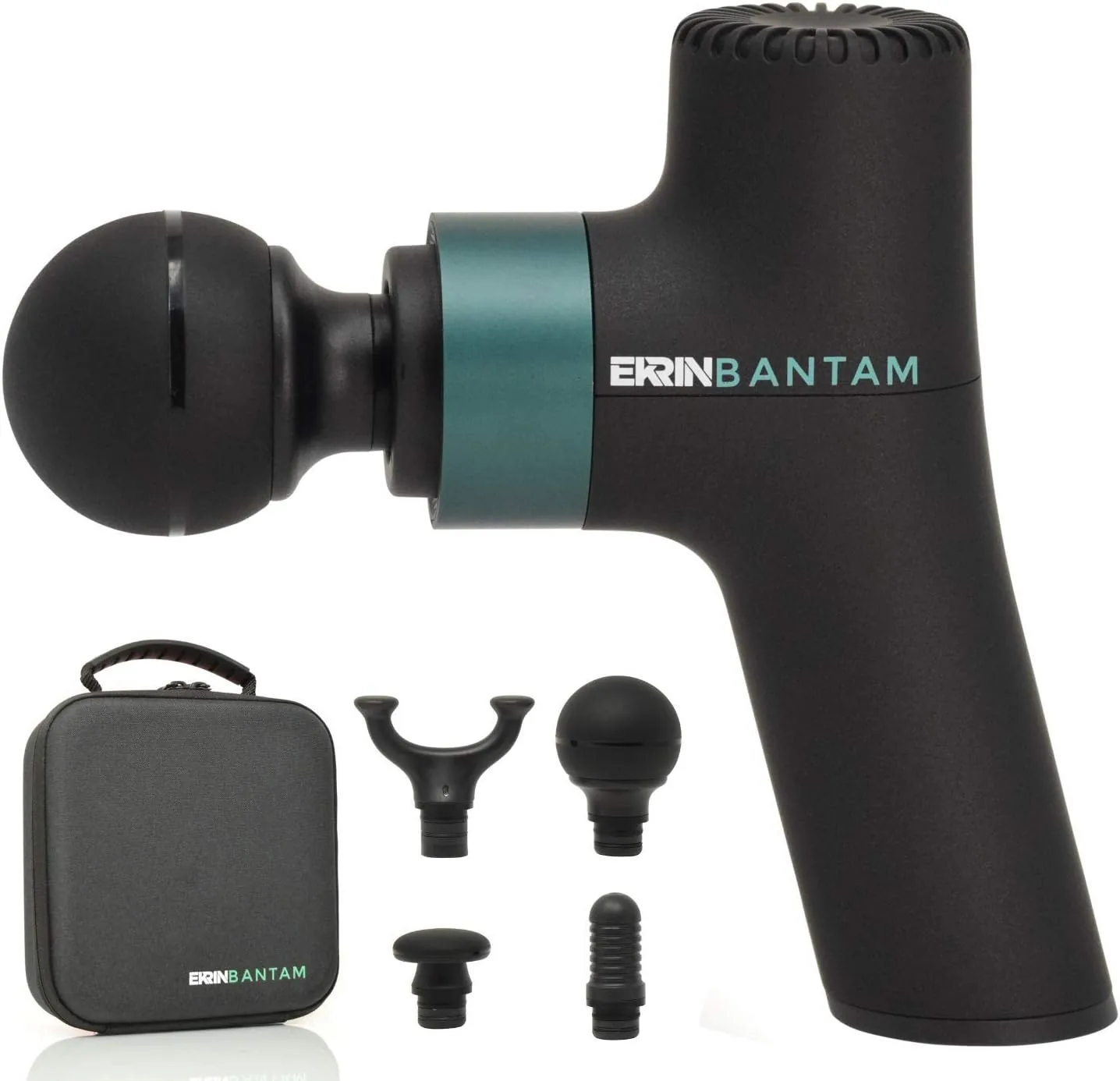
Ekrin Athletics Bantam Mini Massage Gun - Compact Deep Tissue Muscle Massager with Adjustable Speeds & 4 Attachments - Long Battery Life, Lightweight, Travel Friendly
Compact & Powerful: Despite its compact design, this mini massage gun doesn't compromise …
View Details![Sharper Image PowerBoost Max Massage Gun [2026 Version] Anti-Stall Deep Tissue Percussion Massager| 7 Speeds| Workout Muscle Recovery| Pain Relief| Back & Shoulder Massage Tool| Gifts for Men Women](/media/products/sharper_image_powerboost_max_1.webp) USD 119.99
USD 119.99
Sharper Image PowerBoost Max Massage Gun [2026 Version] Anti-Stall Deep Tissue Percussion Massager| 7 Speeds| Workout Muscle Recovery| Pain Relief| Back & Shoulder Massage Tool| Gifts for Men Women
FROM THE #1 MASSAGE BRAND IN AMERICA: Deep tissue percussion built for real recovery, not…
View DetailsRelated Articles
- Desktop Charging Station Buying Guide for USB-C Monitor Setups
- Desktop Charging Station Buying Guide for Outlet-Limited Workspaces
- Ergonomic Massage Gun Buying Guide for Reaching Your Back
- Ekrin Athletics Bantam Mini Buying Guide for Compact Deep-Tissue Care
- Massage Gun Speed Settings Buying Guide for Controlled Percussion
- Portable Massage Gun Buying Guide for Travel, Work, and Gym Bags