
Mattress Topper Cooling Explained: Gel, Latex and the Fine Print
Almost every mattress topper on the shelf says "cooling gel", and the phrase means three different things at three different prices. A topper that feels cool for ten minutes at bedtime is not the same product as one that stays temperature-neutral at 3 a.m. — and the materials tell you which one you are buying before you sleep on it. Here is the shelf decoded by mechanism, then by thickness.
The three cooling mechanisms, in order of honesty
| Mechanism | How it works | What it actually buys | Where it sits in stock |
|---|---|---|---|
| Gel infusion | Gel beads mixed into the foam | Delays heat build-up; the foam still warms through the night | Under ~$100 |
| Latex | Open-cell rubber that breathes structurally | Stays neutral all night; no cooling "effect", just less trapping | ~$110–280 |
| Active systems | Airflow or powered cooling built into the topper | Actual temperature control, at real cost | One model |
Gel: the default, and the fine print
The gel tier is where most buyers land, and the honest description is "delayed warmth". Subrtex 3-inch at $32.24, Zinus 3-inch Swirl Gel at $45.74, Lucid 3-inch Gel at $89.99 and Linenspa 3-inch at $89.99 all do the same job: the gel pulls heat away from the surface faster than plain foam for the first part of the night. It does not prevent the foam from eventually reaching your body temperature. For most people that is enough — the complaint it solves is the first-hour heat spike, not a full eight hours of cold.
The scented exception is Lucid Lavender at $63.74, which swaps the cooling claim for an aroma claim; and Sleep Innovations 2-inch at $57.32 is the budget expression of the same idea at the thinnest sensible size.
Latex: the non-cooling answer that cools better
Latex toppers rarely say "cooling" on the box, and they are the ones that actually sleep neutral. Pure Green 2-inch at $114.75 and Pure Green 3-inch at $187.50 are the entry to the category; Latex for Less 2-inch at $228.75 and Latex for Less 3-inch at $278.25 the next step. The trade is feel: latex is springy and firm where memory foam is slow and cushioned. Side sleepers who want softness often find 2-inch latex too firm, which is a material property, not a quality problem.
Thickness: the number that matters more than the marketing
Two inches changes the top feel of a mattress. Four inches changes the mattress. The practical guide: use 2 inches to take the edge off a too-firm mattress, 3 inches for real pressure relief, and 4 inches only for a mattress that is sagging or genuinely unsupportive — Sleep Innovations Dual Layer 4-inch at $97.49 and its medium sibling at $104.99 are the clear examples. Piling four inches of soft foam onto a soft mattress produces a sleep surface with no support, which reads as back pain rather than comfort.
The premium shelf: named brands, measurable differences
Above $200 the differences become concrete. Casper Essential 3-inch at $224.25 and GhostBed 3-inch at $246.75 are the recognizable-brand expressions of the gel recipe; TEMPUR-Adapt Supreme at $228.75 is the material Tempur made famous, at topper thickness; ViscoSoft at $224.25 sells the same idea with a washable cover. Sleep Number True Temp is the active-system outlier — powered airflow — and it is a different product category wearing a topper's name. Buy it for the temperature problem, not for comfort, because comfort is not what it is adding.
Choosing in one pass
- You wake up hot in the first hour → gel topper is the honest answer, and the $50 tier does it.
- You wake up hot at 3 a.m. → gel will not fix that; go latex or an active system.
- Pressure points are the complaint, not heat → thickness is the lever: 3 inches, memory foam.
- The mattress sags → a 4-inch topper buys a year; a new mattress buys a decade. Know which you are buying.
The category's open secret: "cooling gel" is a real material and a real marketing trope at the same time. The material delays heat. Only the structure — latex, airflow, or an active layer — actually removes it.
Related Products
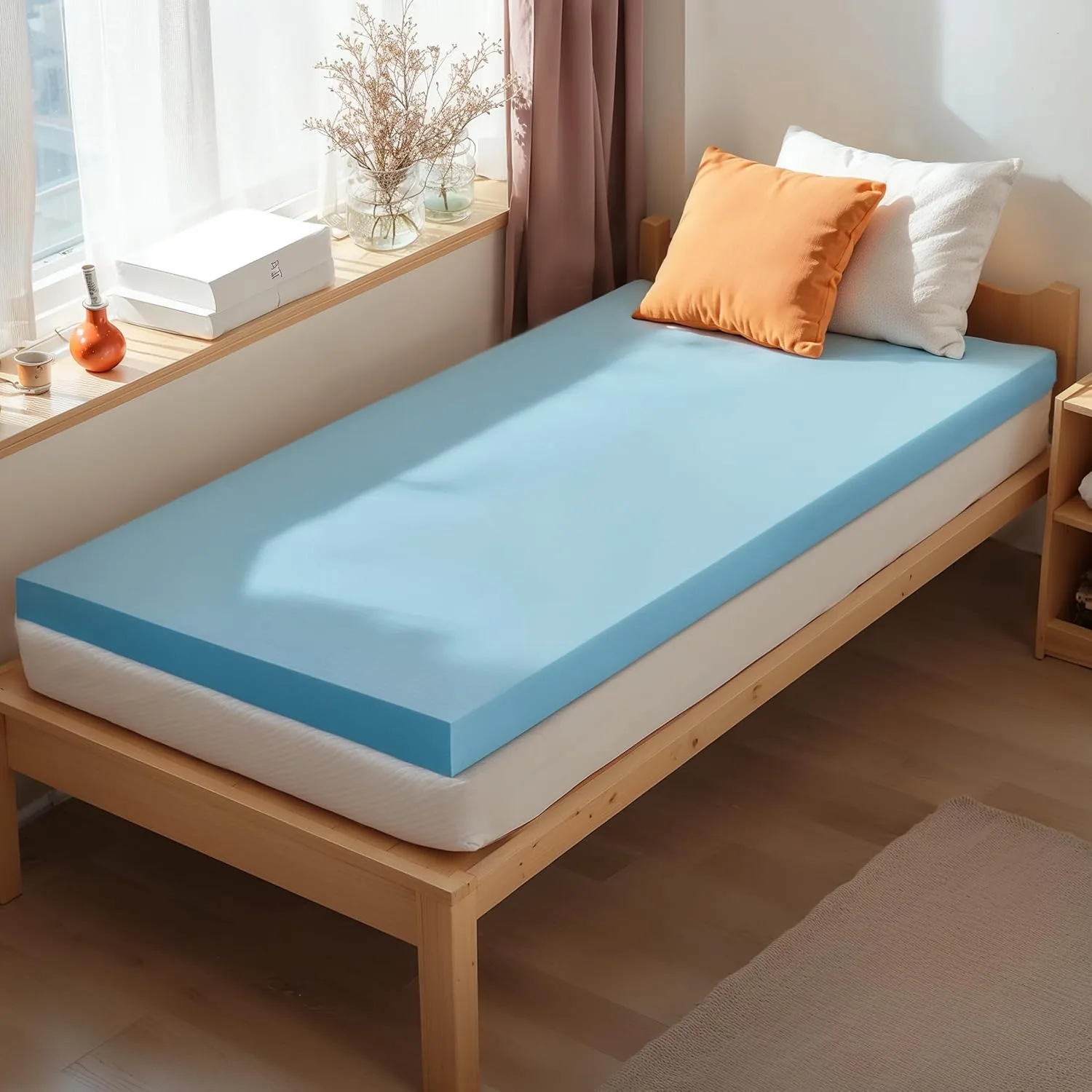 USD 32.24
Subrtex Memory Foam Mattress Topper, 3 Inch Twin Gel-Infused Memory Foam Topper, Gel-Infused Memory Foam Topper for Side Stomach Sleepers, CertiPUR-US Certified
[Ultimate Comfort]- Revive your uncomfortable or worn-out Twin/Twin XL mattress without t…
View Details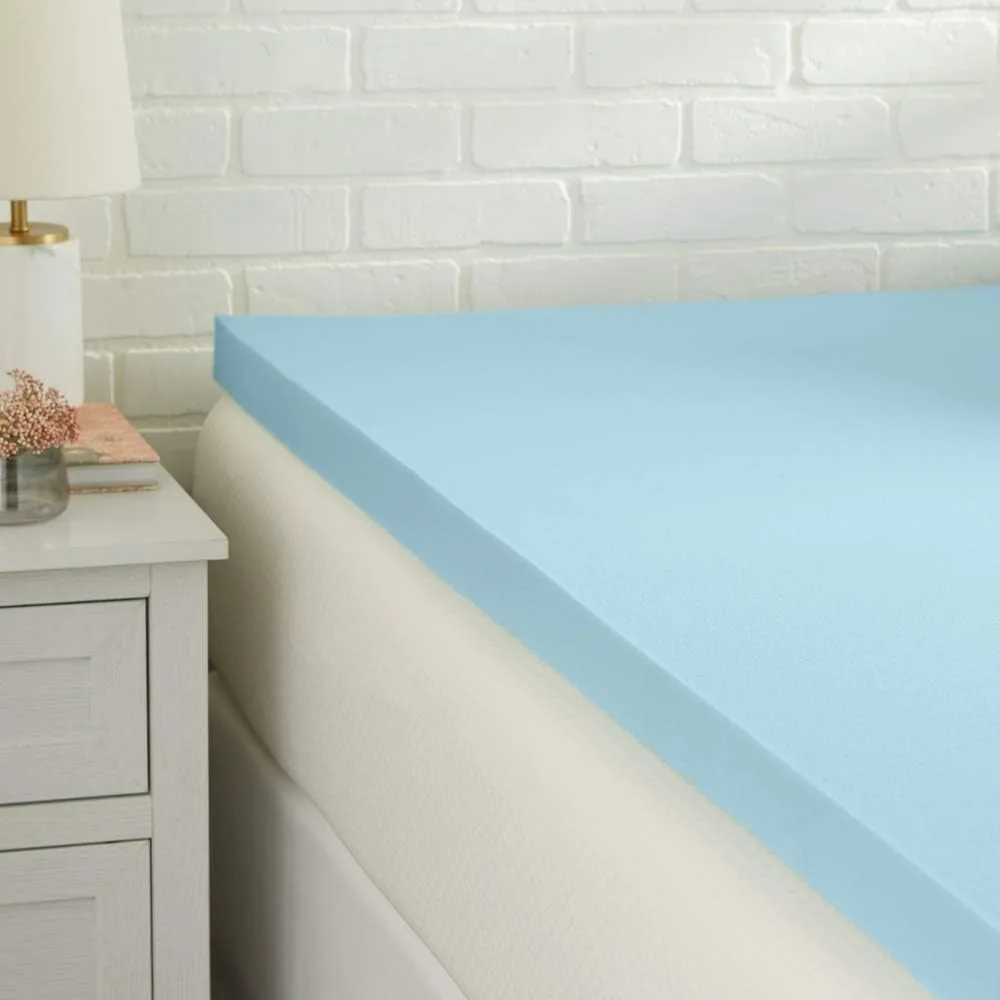 USD 38.75
Amazon Basics Full Cooling Gel-Infused Memory Foam Mattress Topper, CertiPUR-US Certified, 2 Inches, Blue
Memory Foam; PREMIUM COMFORT ENHANCEMENT: Advanced memory foam technology provides respon…
View Details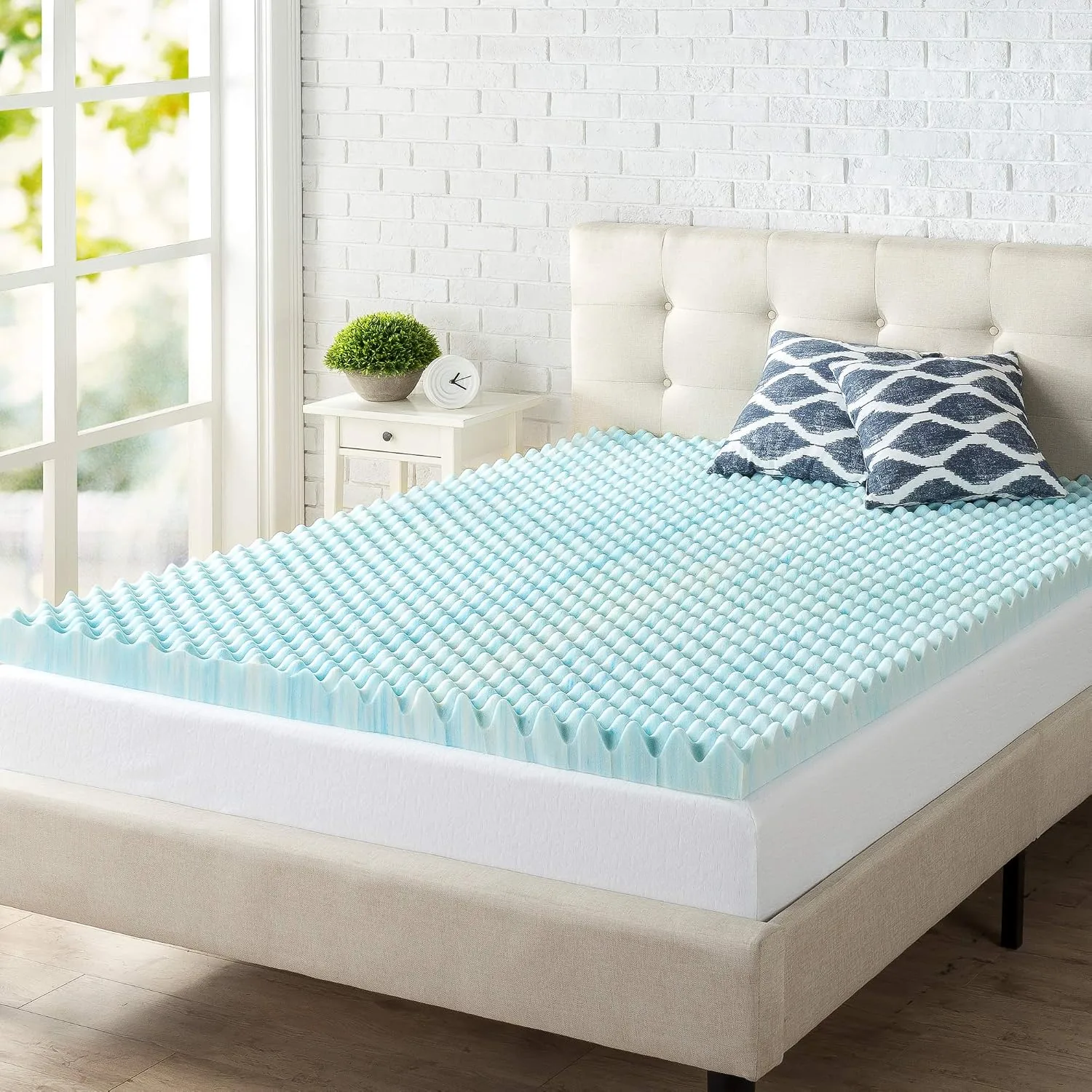 USD 45.74
ZINUS 3 Inch Swirl Gel Cooling Memory Foam Mattress Topper, Cooling Airflow Design, CertiPUR-US Certified, Full
Cooling Gel Swirled Memory Foam; HELLO SLEEP - LET THE AIR FLOW, LITERALLY - The ups and …
View Details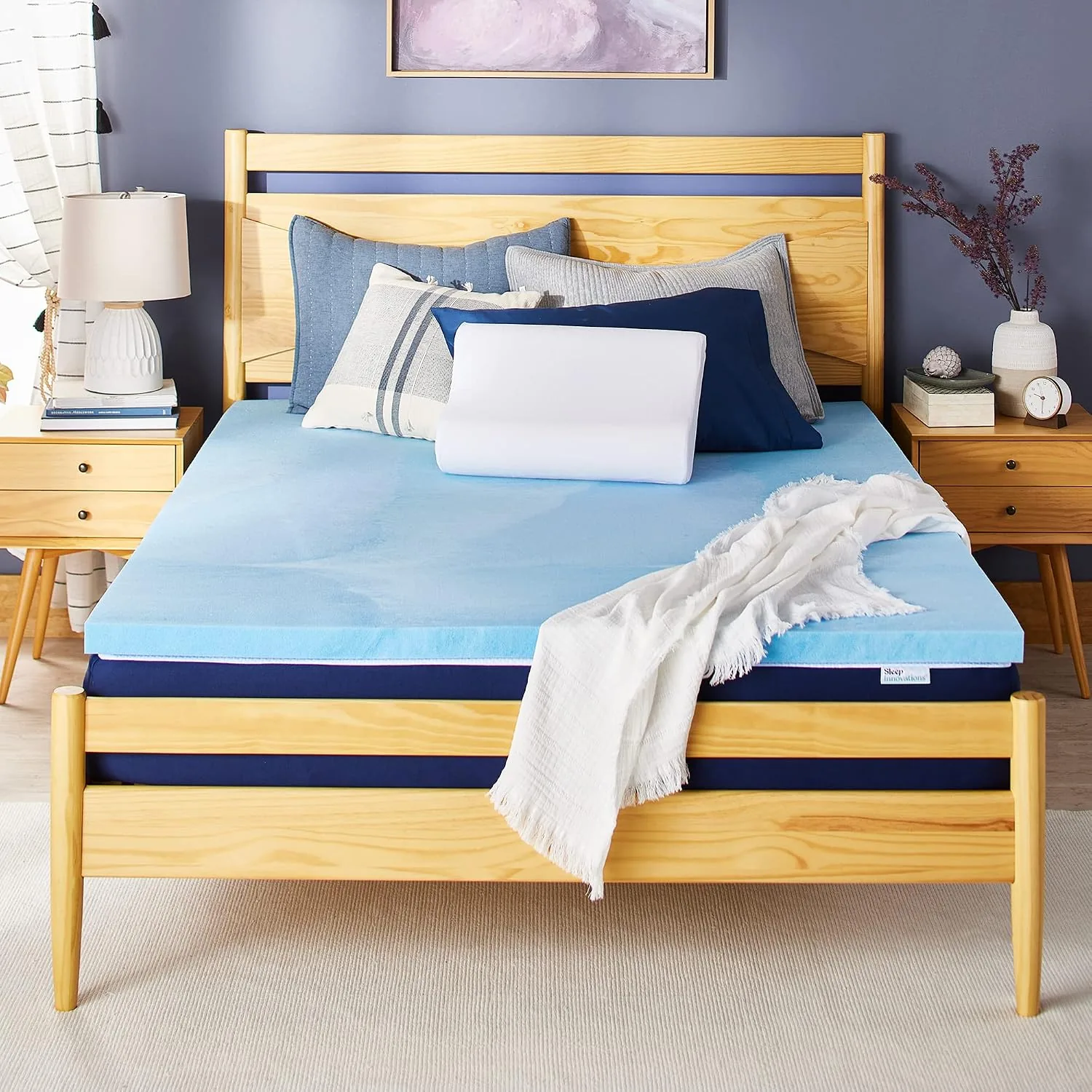 USD 57.32
Sleep Innovations 2 Inch Cooling Gel Infused Memory Foam Mattress Topper, King Size, Cool Comfort, Medium Support
Memory Foam; Cool 2 Inch King Size Mattress Topper: Cooling gel memory foam reduces heat …
View DetailsRelated Articles
- Camping Gear Sorted by How You Camp, Not by Product Type
- Backpacks and Bags Sorted by What You Reach For
- Pickleball Paddle Specs Explained: Core, Face and Weight
- How ANC Tiers Actually Work: What Separates a $30 Pair From a $400 Pair
- Carry-On Luggage Explained: What Aluminum Frame Really Means
- Smart Lighting Protocols Explained: WiFi, Bluetooth, Zigbee Hub or No Radio