
How ANC Tiers Actually Work: What Separates a $30 Pair From a $400 Pair
Every pair of noise-cancelling headphones on the market carries the same two words, and the words tell you almost nothing. A budget pair can print "hybrid ANC" on the box while a flagship says the same thing with a fancier adjective. The numbers make it worse: marketing materials quote decibel figures like -45 dB without a shared measurement method, so the number is not comparable between brands and often not even between models of the same brand.
What actually separates the shelves is the mechanism. Here is the tier structure behind the noise-cancelling aisle, and where the pairs we stock land in it.
The three implementation tiers
| Tier | What it is | What it is good at | Typical price |
|---|---|---|---|
| Feedforward | Microphones on the outside listen to the world and invert it | Steady noise: engines, fans, HVAC | Under ~$50 |
| Feedback | Microphones inside the cup listen to what leaked through the seal | Low-frequency rumble that gets past the pads | Rarely sold alone |
| Hybrid / adaptive | Both microphone sets, plus a chip that retunes continuously | Variable noise: streets, transit, open offices | ~$100 and up |
The honest shorthand: at the bottom of the price ladder you get cancellation of constant noise. As you pay more, you buy the ability to handle changing noise, and after a point you are mostly paying for sound quality and fit rather than for more cancellation.
Under $50: what feedforward ANC actually buys
The budget tier works on engine noise and office hum, and that is about it. Soundcore Life Q20 at $29.99 and JLab JBuds LUX ANC at $44.99 are the representative pairs here — genuinely useful on a flight or beside a server rack, less so on a sidewalk where noise arrives from every direction at once. At this price, buy for the commute, not for silence.
$50–$100: the first hybrid models
Hybrid ANC used to start around $150. It does not anymore. Soundcore Life Q30 at $44.99, EarFun Wave Pro at $59.99 and Edifier W830NB at $59.99 all combine both microphone paths. The gap between this tier and the premium tier on constant noise is now surprisingly small. The gap that remains is on changing noise — a bus that lurches from engine to traffic to chatter — where the adaptive chips in expensive pairs retune faster.
$100–$200: the step into adaptive cancellation
This is where the word "adaptive" starts meaning something. JBL Live 770NC at $149.96, Beats Studio Pro at $187.46 and Bose QuietComfort at $171.75 monitor the noise floor continuously and adjust on the move. If your listening happens on streets and subways rather than in a fixed seat, this is the tier where the difference becomes audible.
One caveat that surprises buyers: Beats Solo 4 at $149.99 sits in this band but is an on-ear design, and on-ear pads give passive isolation less surface to work with. When you see two pairs at a similar price and one is on-ear, the effective quietness is not the same even if the marketing language is.
Above $200: the flagships, and what you are really paying for
By this tier every pair has capable adaptive cancellation, so the differences are no longer about whether they cancel but about what they do around the cancellation. Sony WH-1000XM4 at $209.99 and WH-1000XM5 at $298.50 push the cancellation benchmark; Sennheiser MOMENTUM 4 at $203.25 leads on battery endurance; Bose QuietComfort Ultra at $284.25 trades on fit and comfort for long sessions; AirPods Max 2 at $411.75 is built around the Apple ecosystem rather than around outright cancellation performance.
The decision at this level is rarely technical. It is about which pair you will actually wear for four hours.
The trap that looks like this category but is not
beyerdynamic DT 700 PRO X at $194.25 appears in the same shelf at a premium price and cancels nothing — it is a closed-back studio pair whose isolation comes purely from the earcups. That is not a flaw; it is a different product. If you produce audio rather than consume it in transit, the studio pair is the correct purchase, and no ANC headphone replaces it.
Choosing in one pass
- Constant noise only — flight, fan, office hum — start at the $50 tier and confirm you need more before spending it.
- Changing noise — streets, transit, cafés — start at the adaptive tier around $150.
- Long sessions at home — prioritise fit and weight over cancellation specifications; try the comfort-first flagships.
- Audio production — stop looking at ANC entirely and go closed-back studio.
The measurable difference between the top two tiers is smaller than the marketing implies. The difference between the bottom tier and everything above it, on changing noise, is exactly as large as the price gap suggests.
Related Products
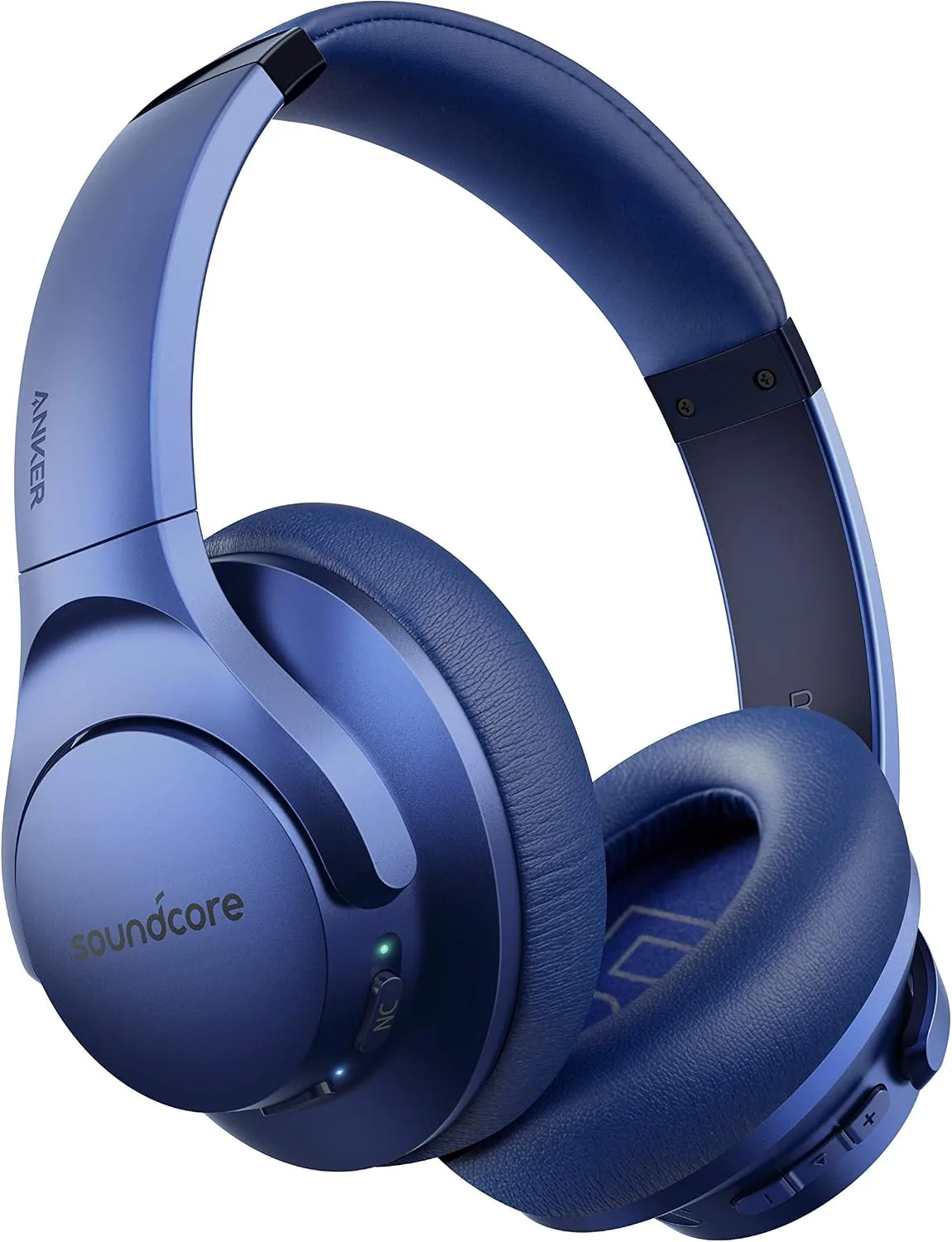 USD 29.99
Soundcore Anker Life Q20 Hybrid Active Noise Cancelling Headphones, Wireless Over Ear Bluetooth Headphones, 60H Playtime, Hi-Res Audio, Deep Bass, Memory Foam Ear Cups
Hybrid Active Noise Cancelling: filters out up to 90% of low-frequency ambient noise usin…
View Details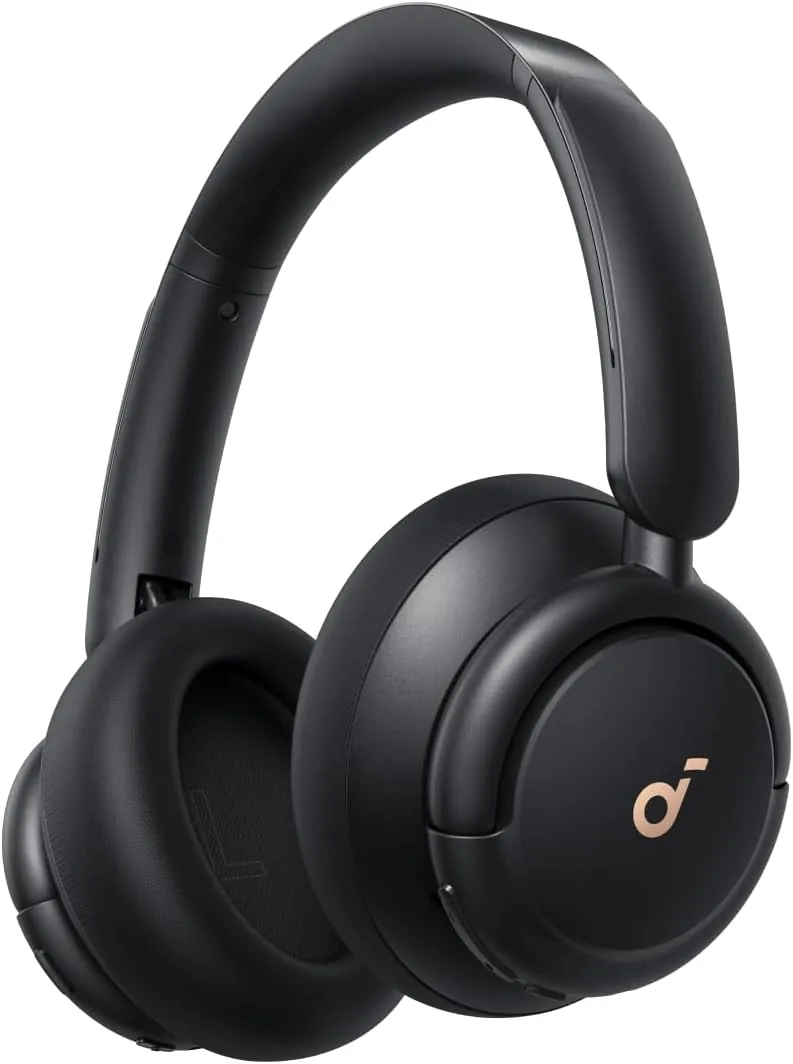 USD 44.99
Soundcore Life Q30 by Anker, Hybrid Active Noise Cancelling Headphones with Multiple Modes, Hi-Res Sound, Custom EQ via App, 40H Playtime, Comfortable Fit, Bluetooth Multipoint Connection
Hybrid Active Noise Cancelling: dual noise-detecting microphones filter out up to 95% of …
View Details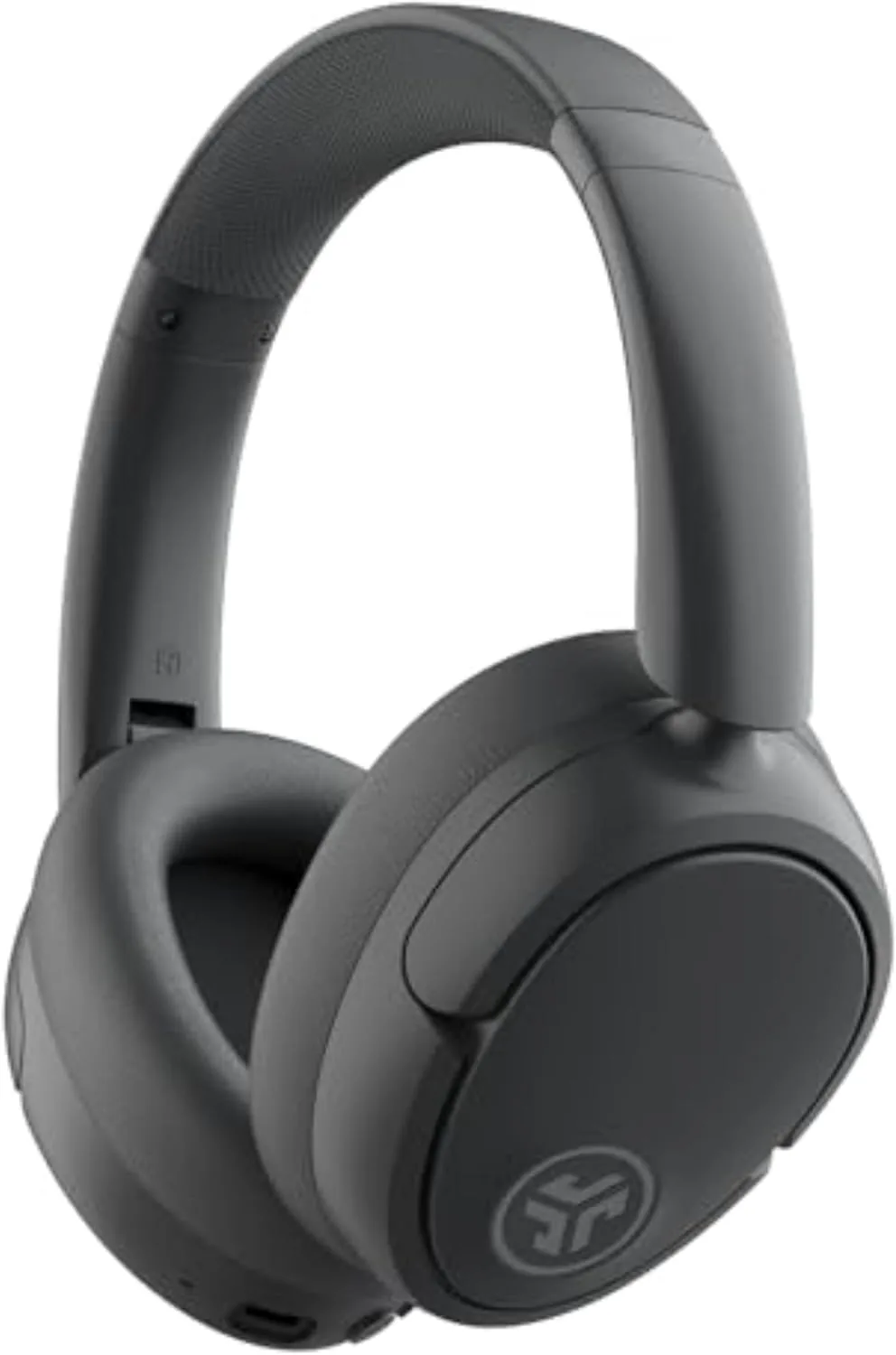 USD 44.99
JLab JBuds LUX ANC Active Noise Cancelling Headphones
Smart Hybrid Active Noise Cancellation (up to 25 dB) with Be Aware ambient mode; 40mm dri…
View Details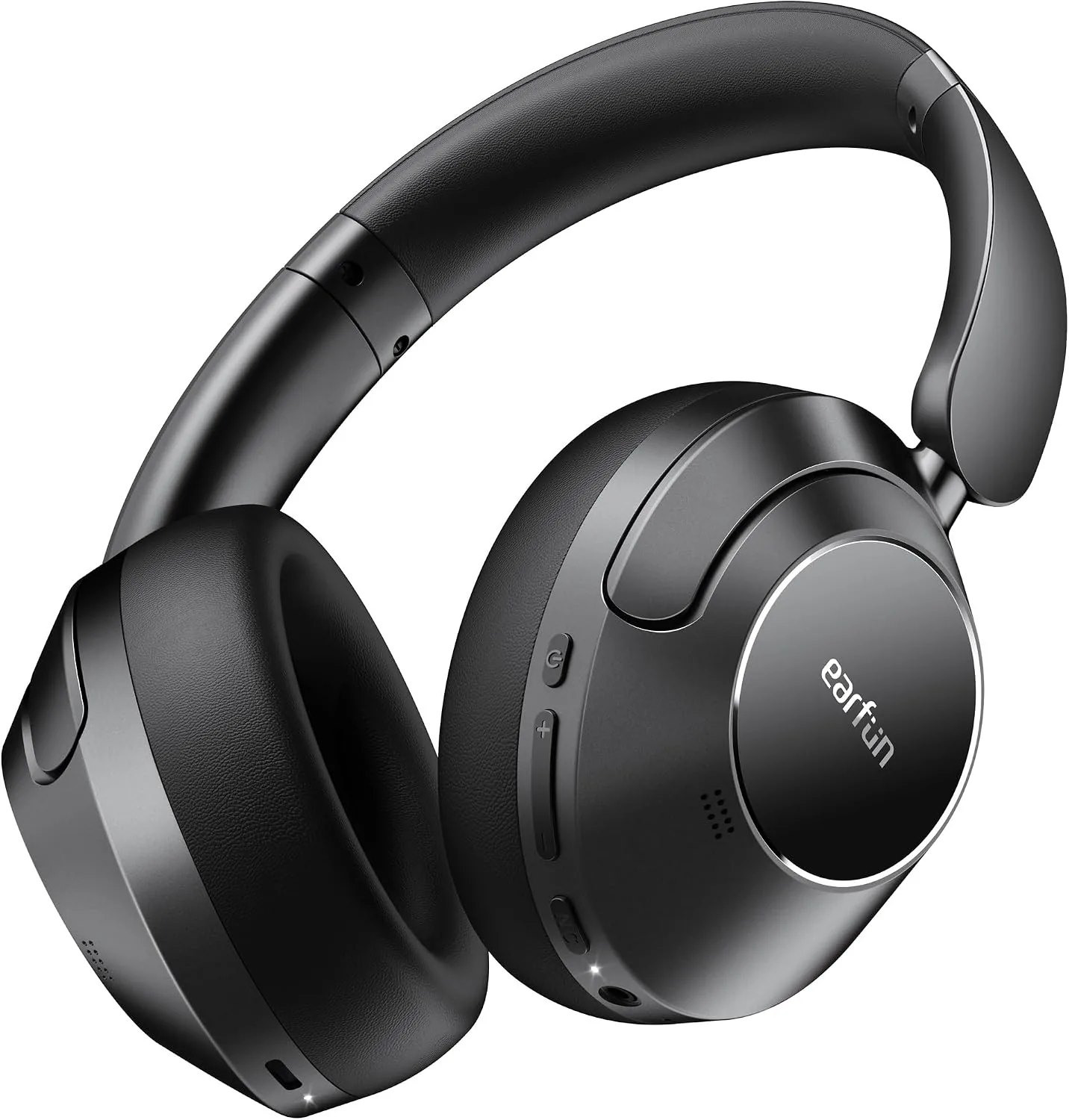 USD 59.99
EarFun Wave Pro Active Noise Canceling Headphones, Wireless Over Ear Bluetooth Headphones, LDAC Hi-Res Sound, 5 Mics AI Clear Call, 80H Playtime, Multipoint Connection
Premium Active Noise Cancellation up to 45dB: hybrid ANC significantly reduces ambient no…
View DetailsRelated Articles
- Garmin Watch Lines Explained: Forerunner, vívoactive, Venu, Instinct, epix and fēnix
- Bone Conduction vs Air Conduction: The Real Difference in Open-Ear Headphones
- Mattress Topper Cooling Explained: Gel, Latex and the Fine Print
- Pickleball Paddle Specs Explained: Core, Face and Weight
- Smart Lighting Protocols Explained: WiFi, Bluetooth, Zigbee Hub or No Radio
- Carry-On Luggage Explained: What Aluminum Frame Really Means