
Smart Lighting Protocols Explained: WiFi, Bluetooth, Zigbee Hub or No Radio
Smart lighting is sold as bulbs and strips, but what you are really buying is a radio, an app and an ecosystem — and the choice binds every lamp you add afterwards. The same shelf holds WiFi strips, Bluetooth strips, hub-based systems and battery lights with no radio at all. Here is what each commitment actually means.
The four ways a light talks
| Approach | How it connects | Strength | Weakness | In stock |
|---|---|---|---|---|
| WiFi direct | Light joins the router | No hub; works from anywhere | Crowds the 2.4 GHz band; app quality decides everything | Nexlux, Govee WiFi |
| Bluetooth only | Phone talks to the light | Cheap; no account | Stops working when you leave the room | Govee BT, Hue BT |
| Zigbee + hub | Hub on Ethernet; lights on mesh | Rock solid; scales to whole house | Hub cost; another box | Hue, Signe, Hue sensors |
| No radio | Motion sensor on the lamp | Never breaks; no app, no pairing | No colours, no scheduling | GE, Brilliant Evolution, Mr Beams |
WiFi direct: the fastest start, the messiest scale
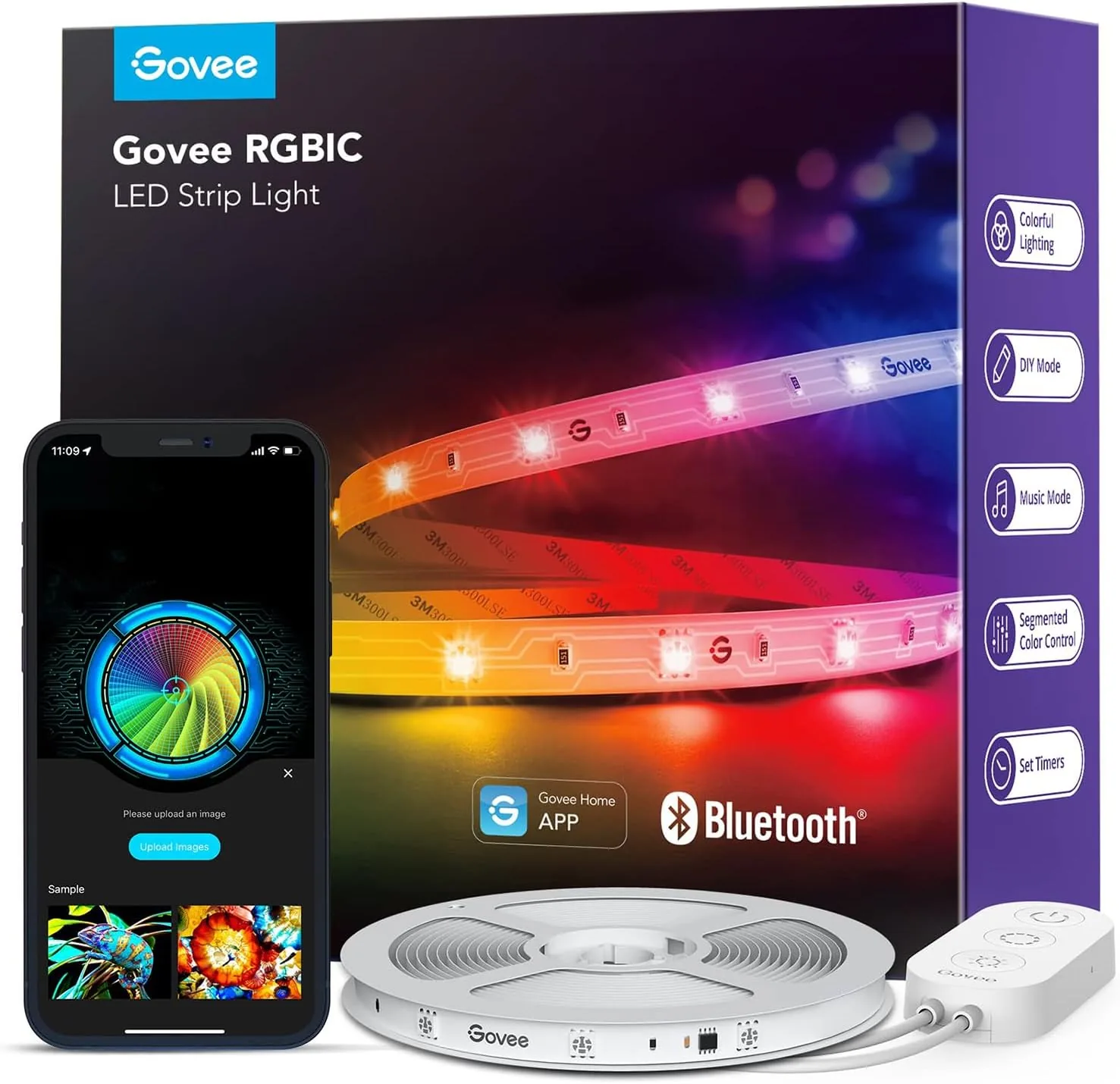
Nexlux WiFi strips at $10.12 and Govee RGBIC WiFi at $22.49 pair with a phone and start working in minutes, with no hub to buy. The price of that convenience shows up later: every WiFi lamp is another device on the 2.4 GHz band, and a house with twenty of them on a consumer router is a house with lightbulbs that occasionally forget who they are. For one strip or one floor lamp, WiFi is the right call. For a whole house, it is the call you remake later.
Bluetooth only: the honest budget tier
Govee RGBIC Bluetooth at $10.12 and Hue Bluetooth Lightstrip at $44.96 cost less because there is no radio to your router — the phone is the remote. The limitation is binary: walk out of range and the app cannot reach the light. Buy Bluetooth for a single room you always control from inside it, and nowhere else.
Zigbee + hub: the ecosystem answer
Philips Hue is the one system on this shelf built around a hub, and its real product is reliability. Hue Lightstrip Plus at $44.96, Hue Signe at $127.46 and its black edition at $65.99 form a mesh where every lamp repeats the signal; Hue Motion Sensor indoor at $29.99 and the outdoor model at $82.50 turn the system into hands-off automation rather than app-controlled lighting. The entry price is higher, and the commitment is real: once you start on the hub, the sensible next lamp is another Hue lamp. That is either the whole point or the reason to stop reading this section.
The no-radio tier: smart lighting's best-kept secret
Half this shelf needs no app and no pairing because the "smart" behaviour is built into a sensor. GE motion night light at $14.99, Brilliant Evolution 6-pack at $14.99 and Mr Beams ceiling light at price varies turn on when someone walks past and off when they leave. For stairs, closets and hallways, this is the correct answer — nothing to configure, nothing to debug, and the battery lasts months instead of one evening of app tinkering.
The lamps in the middle: smart where it counts, dumb where it does not
The floor lamps split the same question. Govee Floor Lamp Basic at $52.49, Govee Floor Lamp 2 at $52.49 and Govee Uplighter at $112.49 are the app-driven end; Tenergy torchiere at $56.99 adds voice control without a hub; the Brightech range — Sparq Arc at $44.99, Sky Dome at $52.49, Sky at $52.49, Halo Split at $63.74 and Eclipse at $74.99 — is deliberately none of that: dimmable, well-built lamps whose "smart" feature is that they light a room properly. LOFTEK cube lights at $14.99 are the play end of the shelf — RGB cubes that exist for the visual effect and nothing else.
Choosing in one pass
- One strip, one room → WiFi direct. It works today and costs the least per feature.
- Whole-house automation, sensors, schedules → the Zigbee hub route, and accept the commitment.
- Hallway, stairs, closet → no-radio motion lights. They win on reliability forever.
- You mostly want a good-looking lamp and occasional colour → buy the lamp first; the radio in it is a bonus, not the point.
The shelf's open secret: the most common failed smart-home project is a house full of WiFi bulbs on a router that was never meant for forty clients. Pick the ecosystem for the house you will have in two years, not the room you are lighting tonight.
Related Products
 USD 10.12
Govee RGBIC LED Strip Lights, Smart LED Lights for Bedroom, Bluetooth LED Lights APP Control, DIY Multiple Colors on One Line, Color Changing LED Strip Lighting Music Sync, Home Decor, 16.4ft
Smart RGBIC Effects: RGBIC LED Strip lights for bedroom display multiple colors on one li…
View Details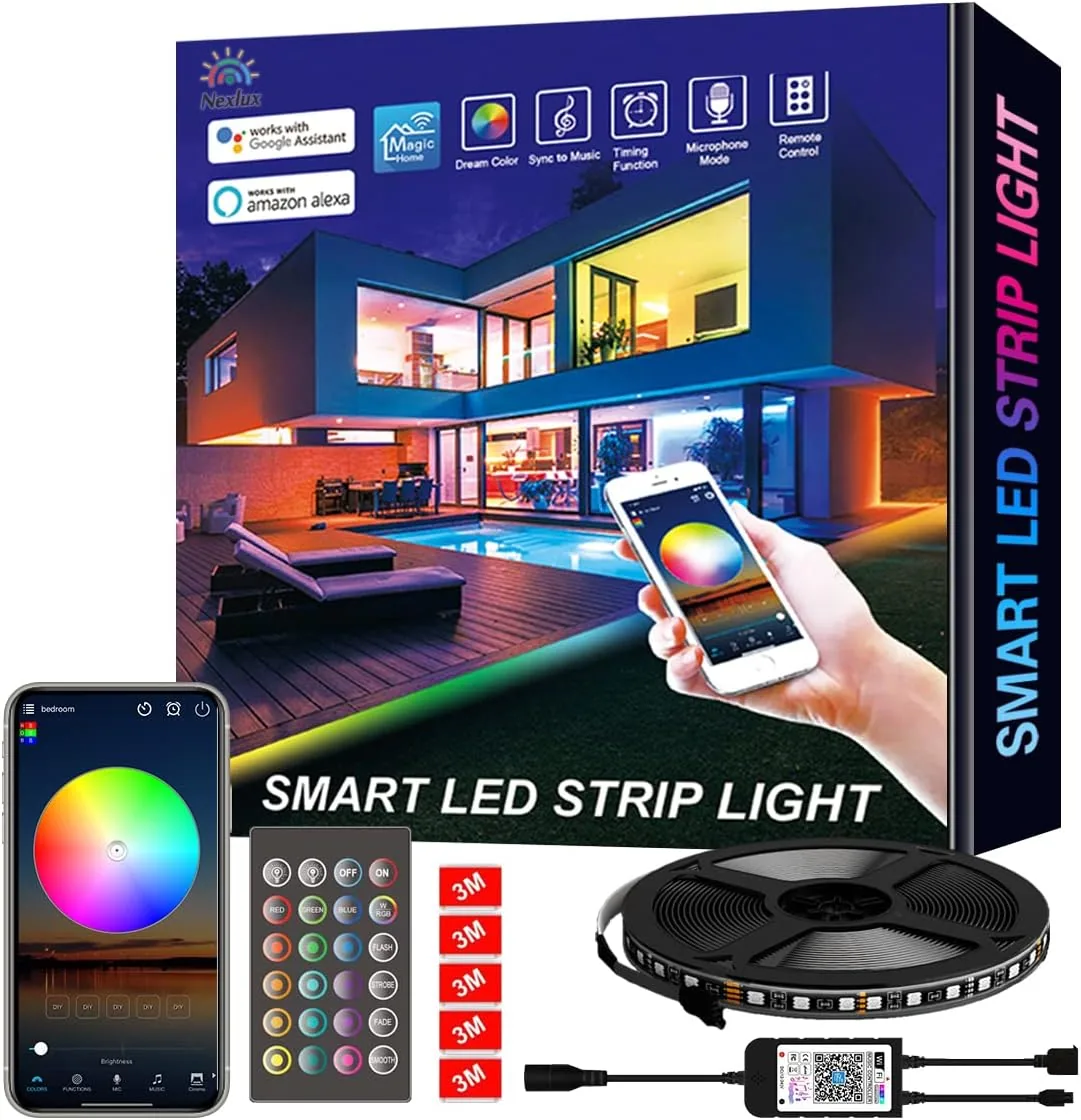 USD 10.12
Nexlux LED Strip Lights, WiFi Wireless Smart Phone Controlled 16.4ft Non-Waterproof Strip Light Kit Black Color Changing Lights,Working with Android and iOS System,IFTTT
WORK WITH ALEXA &GOOGLE ASSISTANT: Use simple conversation starters to turn your lights o…
View Details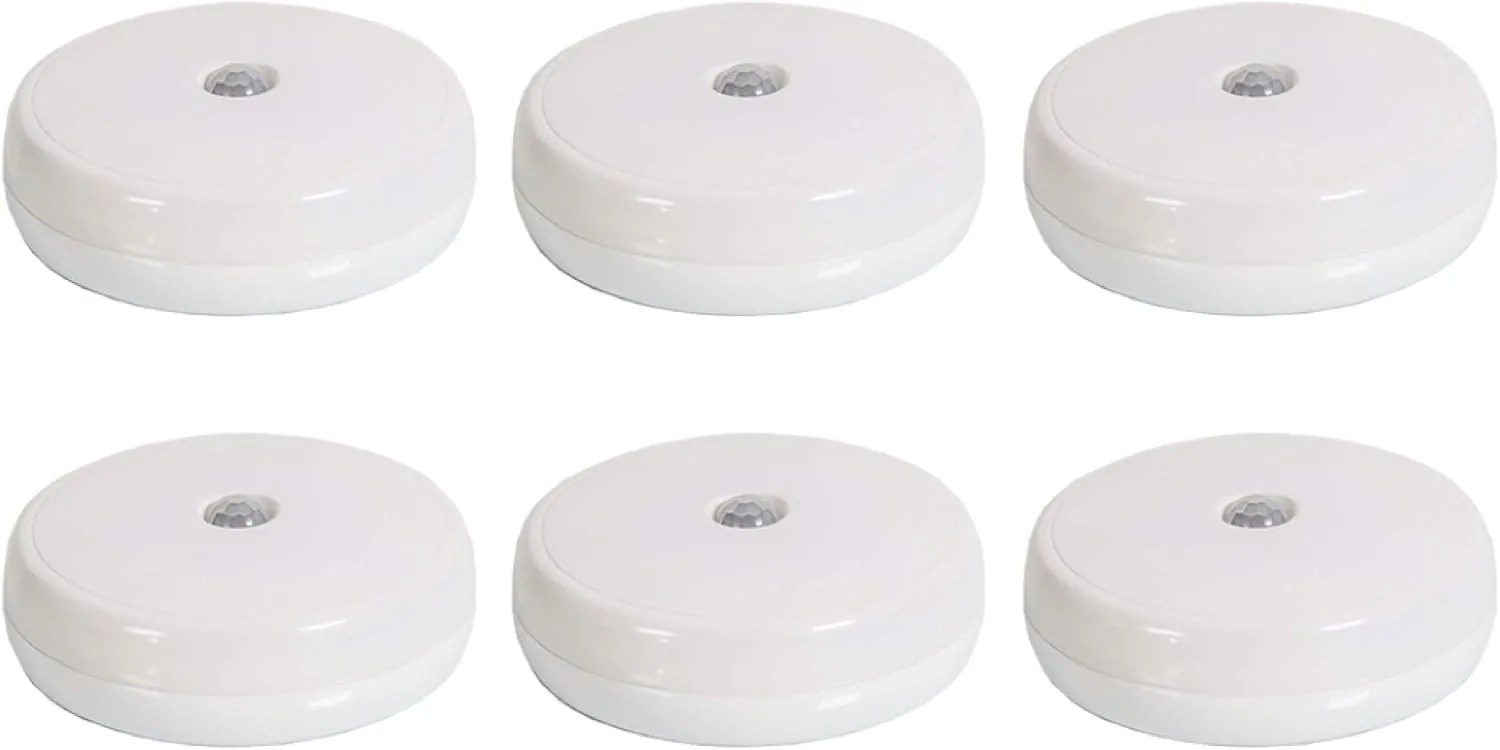 USD 14.99
Brilliant Evolution 6-Pack Wireless LED Motion Sensor Lights - Battery Powered, Portable Under-Cabinet Lights for Home Use - Indoor & Hallway Stair Night Light
MOTION-ACTIVATED LED LIGHT - Lights will automatically turn when they detect movement of …
View Details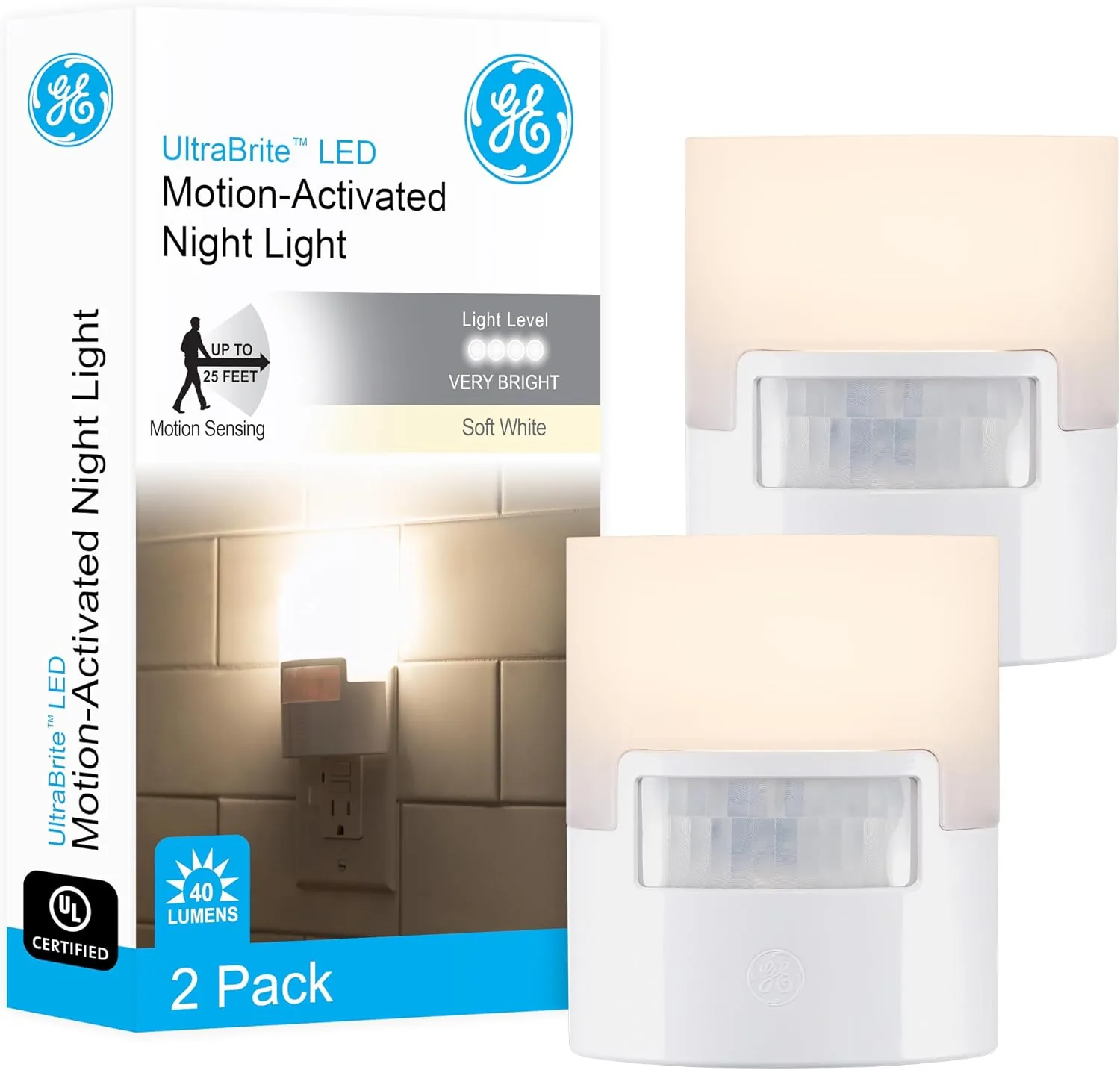 USD 14.99
GE LED Motion Sensor Night Light, Plug into wall, 40 Lumens, Soft White, UL-Certified, Energy Efficient, Ideal Nightlight for Bedroom, Bathroom, Kitchen, Hallway, 46632, White, 2 Pack
2-PACK MOTION-SENSING NIGHT LIGHTS — Includes two plug-in lights for multiple rooms; moti…
View DetailsRelated Articles
- Carry-On Luggage Explained: What Aluminum Frame Really Means
- GaN Desktop Charging Station Buying Guide: Safety, Cables and Value
- Backpacks and Bags Sorted by What You Reach For
- Pickleball Paddle Specs Explained: Core, Face and Weight
- How ANC Tiers Actually Work: What Separates a $30 Pair From a $400 Pair
- Mattress Topper Cooling Explained: Gel, Latex and the Fine Print