
Bluetooth Massage Gun Buying Guide for App-Guided Recovery Routines
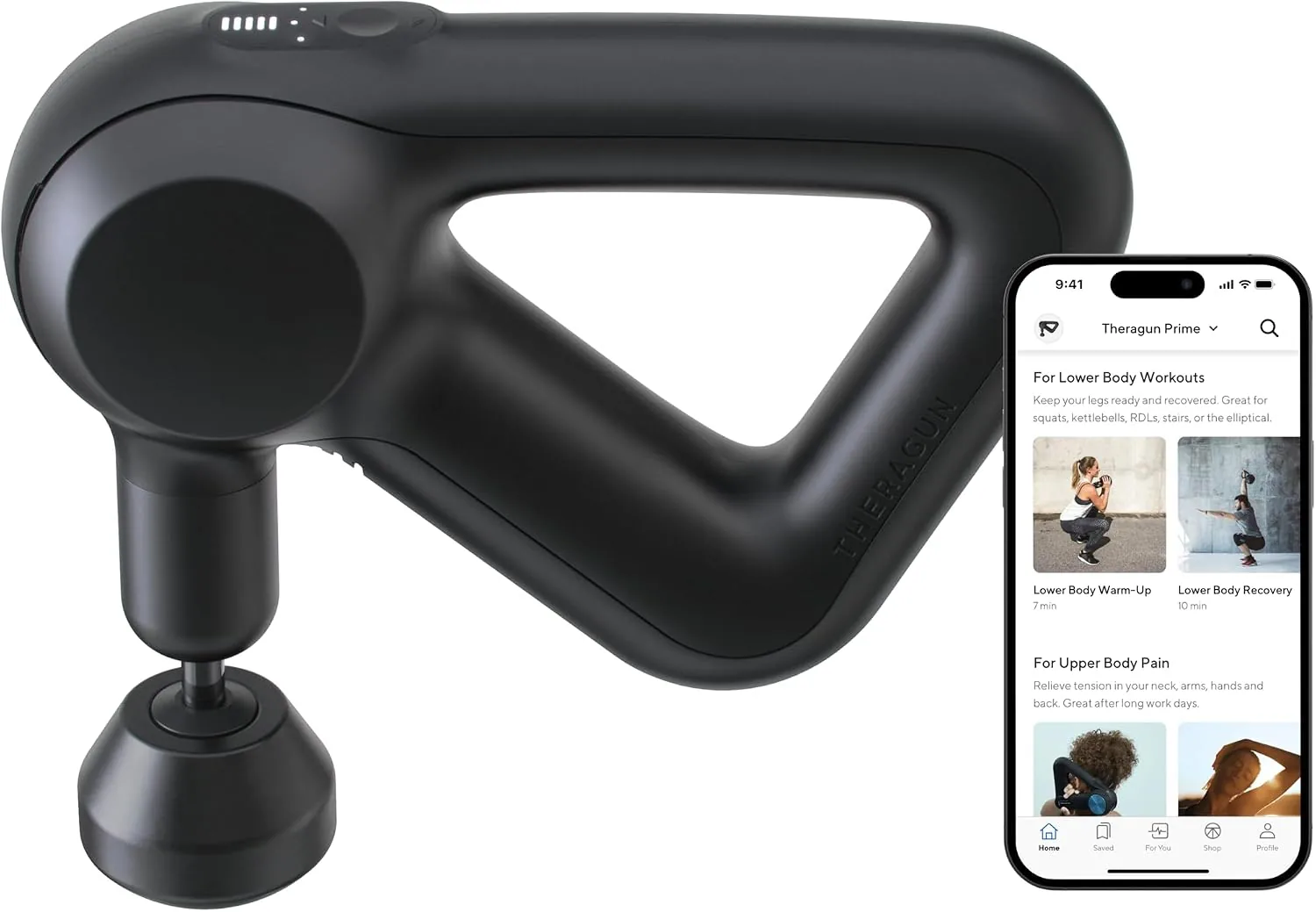
A Bluetooth massage gun puts your phone in the driver's seat. Instead of relying solely on hardware buttons, you use a paired app to control speed, run customized routines, set rest timers, and track your recovery progress. This level of control is exactly what regular percussion therapy users look for—but the hardware still does the heavy lifting. The real question is whether these app-guided features justify the higher price tag, mandatory account creation, and potential long-term privacy tradeoffs.
Who Actually Benefits From App-Guided Percussion?
Connected recovery routines are ideal for users who treat muscle recovery as a dedicated practice rather than an occasional afterthought. Three specific groups tend to get the most value from a smart massage gun:
- Dedicated athletes: Runners, lifters, and hybrid athletes who rotate muscle groups on a set schedule and want repeatable routines they can execute without overthinking.
- Professionals: Coaches, trainers, and physiotherapists who assign standardized protocols to multiple clients and need consistent intensity and precise timing.
- Targeted relief seekers: Casual users dealing with persistent tightness who prefer structured, gentle progressions over manually adjusting settings.
If you only need a device to hammer out the occasional knot, app features rarely earn their keep. A reliable, non-connected massager paired with a basic printed routine will deliver nearly the same physical benefit at a lower cost.
What App-Guided Percussion Therapy Adds (and Where It Stops)
Investing in a Bluetooth massage gun usually unlocks features like preset routines mapped to specific body regions or goals (warm-up, cool-down, soreness). You can also adjust speed and amplitude from your phone, rely on built-in rest timers to prevent over-treating a single spot, and view progress logs over time. While these tools don't replace proper technique, they significantly reduce decision fatigue right when a session begins.
However, recognizing the limits of a smart device is just as important. An app cannot diagnose an injury, assess tissue density, or tell you to stop if you are applying too much pressure. It also cannot fix a device with weak stall force, limited amplitude, or a loud motor. Think of the app as a coach's clipboard—a helpful organizational tool, not a replacement for the actual hardware.
Connectivity, Account, and Phone Compatibility Checks
Before committing to a Therabody Bluetooth massage gun or any connected competitor, run through this pre-purchase checklist (which most product pages conveniently bury):
- Bluetooth version and pairing: Confirm whether the device pairs directly through your phone's native settings or exclusively inside a proprietary vendor app.
- Supported OS versions: An app that hasn't been updated in two years is a major red flag for future compatibility.
- Account requirements: Some connected features only work after you create an account, bringing potential privacy concerns into play.
- Offline mode: Check if the gun still operates at your last-used speed if your phone is out of range or the app is unavailable.
- Multi-device support: Households sharing one device will want to ensure multiple phones can control it without constant re-pairing.
If you travel internationally, verify whether the app stores your routines in the cloud or locally on the device. Cloud storage protects your routine library if you lose your phone, while local storage completely eliminates data transfer concerns.
Manual Controls Versus Connected Recovery Routines
Manual controls are simple, immediate, and immune to software bugs. Pressing a physical button to power up and adjust speed gets you working within seconds, which is perfect for highly targeted, short sessions.
Conversely, app-based routines trade that immediacy for structured guidance. A well-designed app removes the guesswork for beginners, helps experienced users apply progressive overload, and paces longer sessions across multiple muscle groups. The downside becomes painfully obvious when your phone is dead, in another room, or you simply want to relieve a knot without unlocking a screen.
Many mid- and high-tier models offer a practical middle ground: physical buttons for power, speed, and attachments, complemented by an app for routine tracking. Buyers looking for maximum flexibility should seek out this hybrid layout rather than settling for one extreme.
Privacy, Firmware Updates, and Long-Term App Dependence
Every connected device carries a small amount of long-term risk. Before buying, factor these three concerns into your decision:
- Data handling: Recovery apps routinely collect usage frequency, targeted body areas, and sometimes user weight or training notes. Always read the privacy policy to see exactly what is collected, if it is shared, and how you can delete it.
- Firmware support: Vendors that push regular updates are more likely to keep their apps alive. A dormant app signals that support could dry up.
- App longevity: If the company eventually shuts down the app, does the hardware still function fully via manual controls? Always verify offline functionality before you buy.
For users highly cautious about data exposure, the best path is a device whose physical controls cover every core feature, leaving the app as a strictly optional layer.
Comparing Connected and Non-Connected Value
Choosing between a standard and a Bluetooth massage gun comes down to budget, discipline, and usage habits. If you already follow a written training plan and just need a tool to execute it, a non-connected model delivers everything you need. Connectivity only proves its worth if you want built-in routines, need to share the device among family members with different protocols, or want exportable logs to share with a clinician.
Budget is a major factor. App-enabled smart massage guns sit at a higher price point than simpler units offering the exact same stall force and amplitude. You are paying extra for the radios, batteries, and ongoing software development. Paying that premium only makes sense when the app actively changes your recovery behavior.
How to Read Connectivity Premiums Across Tech Categories
To understand how to evaluate whether connectivity justifies a higher price, it helps to look at similar premium features in adjacent tech categories. The table below highlights noise-cancelling headphones. By comparing budget models against premium flagships, you can see exactly how to weigh a core spec against a massive price jump driven by extra features.
| Brand & Model | Category | Key Spec From Catalog | Price (USD) | Amazon Rating |
|---|---|---|---|---|
| Anker Soundcore Life Q20 (Hybrid ANC) | Noise-cancelling headphones | Hybrid Active Noise Cancelling; filters up to 90% of low-frequency ambient noise | 39.99 | 4.4/5 (70,000 reviews) |
| Anker Soundcore Life Q30 (Hybrid ANC) | Noise-cancelling headphones | Hybrid Active Noise Cancelling with dual noise-detecting microphones; filters up to 95% of low- and mid-frequency sound | 59.99 | 4.4/5 (94,623 reviews) |
| Bose QuietComfort Headphones | Noise-cancelling headphones | Combines noise cancellation with passive design; wireless Bluetooth | 229.00 | 4.5/5 (33,744 reviews) |
| Sennheiser MOMENTUM 4 Wireless | Noise-cancelling headphones | Up to 60 hours battery life; fast charging (10 minutes = 5 hours); adaptive noise cancellation | 271.00 | 4.2/5 (9,070 reviews) |
This pricing pattern transfers cleanly to massage guns. The budget Anker Q20 covers the core spec buyers care about (hybrid ANC) at a fraction of the Bose or Sennheiser price, and it boasts a higher review count. When shopping for a connected massager, use this lens: pick the model whose core physical performance matches your needs, then critically decide if the extra app features justify the premium.
Verdict by Buyer Situation
- Budget-first buyer: Choose a non-connected model with strong stall force, a quiet motor, and the attachments you actually need. Spend the savings on a second battery or a travel case.
- Routine-driven buyer: Pick a smart massage gun whose app stores routines, supports multiple users, and works offline. Always confirm the firmware update history before paying the connectivity premium.
- Privacy-conscious buyer: Confirm that all advertised features work perfectly through physical controls. Treat the app as optional, and avoid models that force account creation for basic speed changes.
- Clinical or coaching use: Prioritize repeatable intensity, multi-user profiles, and exportable usage logs. Here, a connected device is fully justified because the data directly improves client outcomes.
Actionable Takeaways
- Decide before shopping whether an app will genuinely change how you use the device. If you already have a reliable routine, it probably won't.
- Check the Bluetooth pairing flow, supported OS versions, and account requirements. Take a screenshot of the privacy policy at the time of purchase.
- Confirm the device operates at full capacity without the app. A reliable fallback to manual-only mode is your best safety net.
- Match the price premium to the feature that matters most: routine depth for disciplined users, build quality for heavy daily use, or privacy guarantees for cautious users.
A Bluetooth massage gun earns its premium when the app quietly makes good recovery habits easier. If it doesn't, that same money is better spent on a stronger motor, a longer-lasting battery, or simply more massage sessions.
Related Resources
Related Products
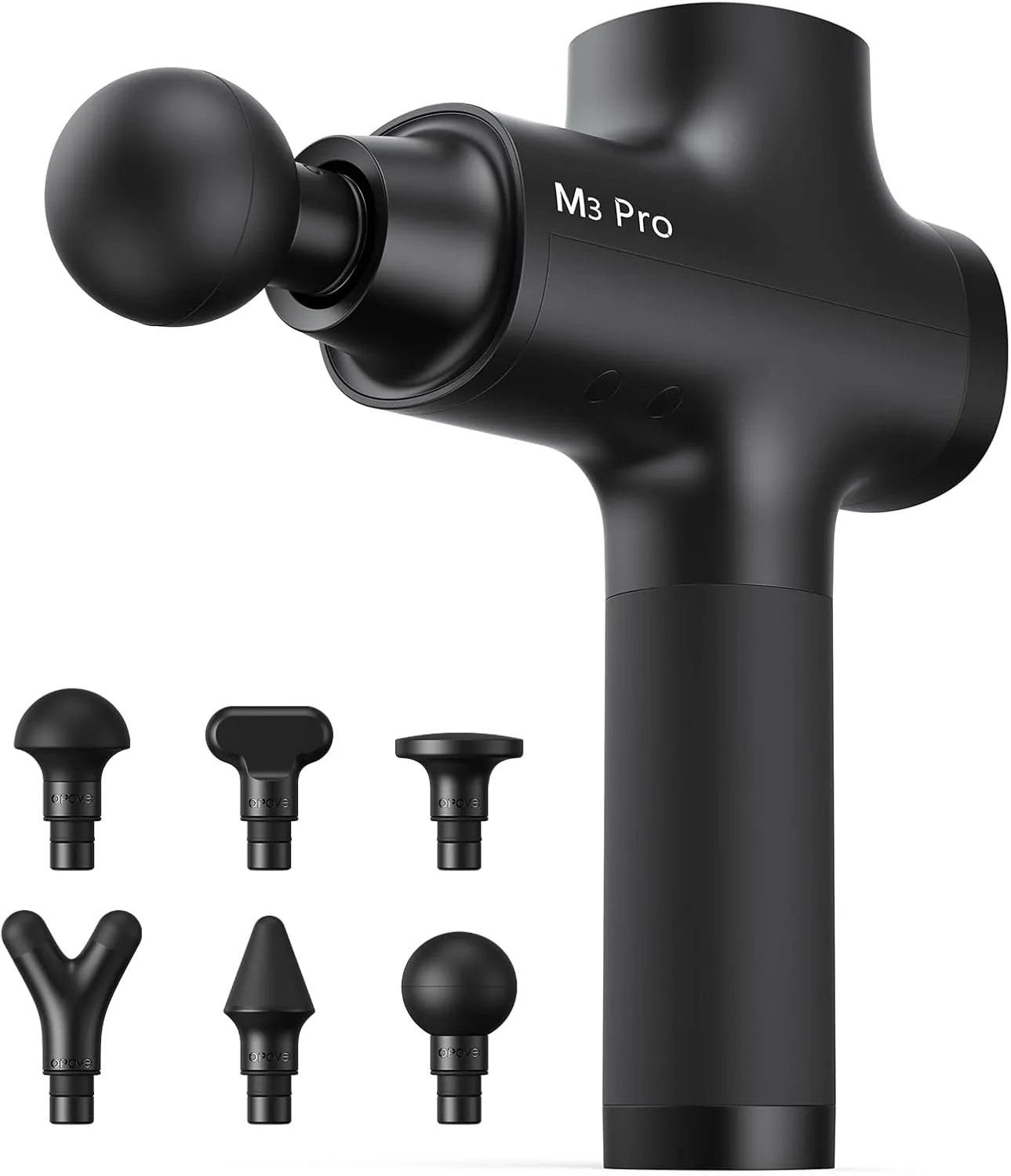 USD 97.49
Opove M3 Pro 2 Massage Gun Deep Tissue Percussion Muscle Massager for Workout, Handheld Percussive Therapy Fascia Gun for Athletes Fast Recovery 4-8 Hours Long Battery Life, Powerful, Quiet, Black
You Get What You Pay For - We work out daily and invest a lot of time and effort into our…
View Details
USD 239.99
TheraGun Therabody Prime (4th Generation) - Deep Tissue Percussion Therapy Massage Gun - Bluetooth Enabled, Personal Massager for Pain Relief in Neck, Back, Leg, Shoulder and Body
Simplified Smart Percussive Massage Therapy: Prioritizes the essential massage gun featur…
View Details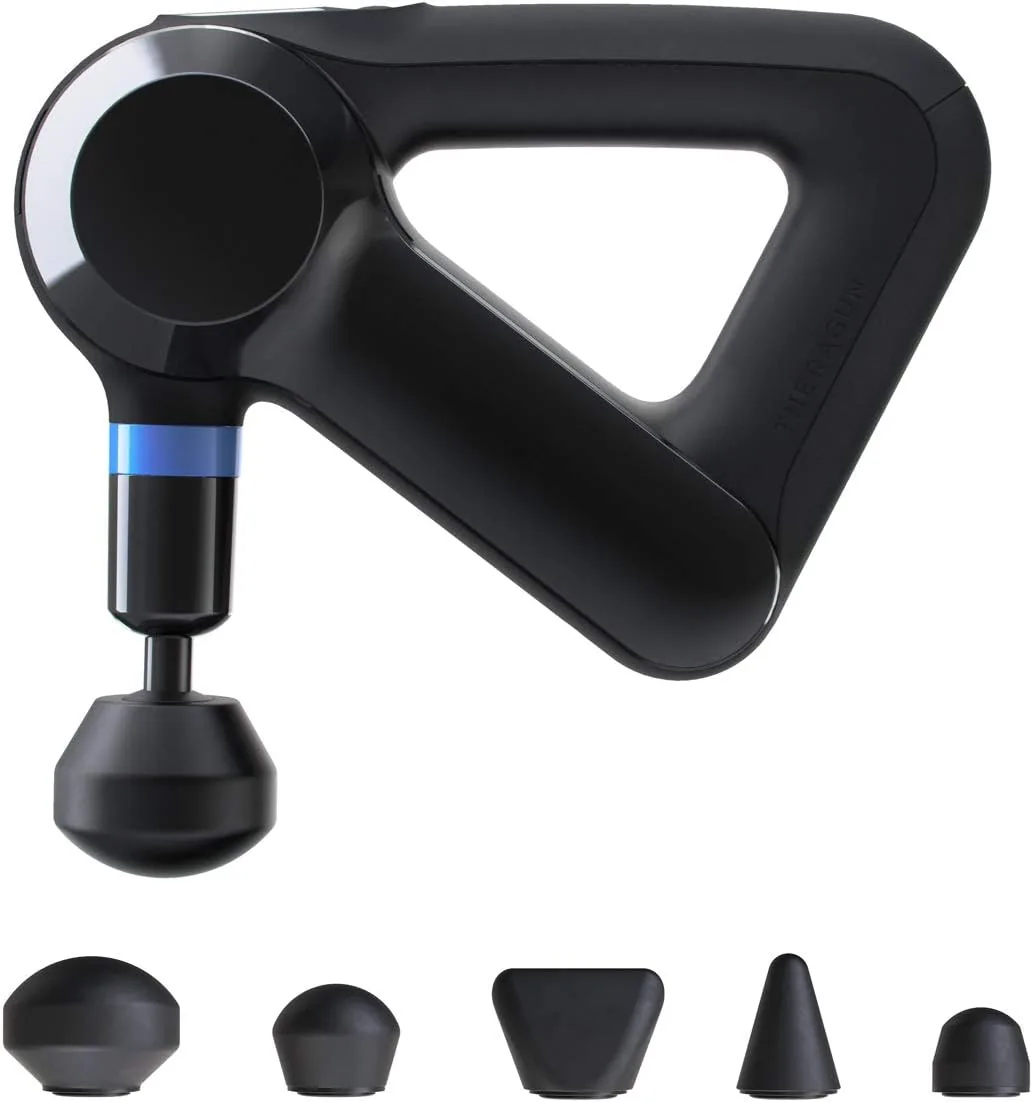 USD 261.75
Theragun Elite Bluetooth Massage Gun - Ultra-Quiet Percussion Massager for Pain Relief in Neck, Back, Leg, Hand, Shoulder and Body
16mm Amplitude: Reaches 60% deeper into muscle tissue than standard vibration massagers t…
View Details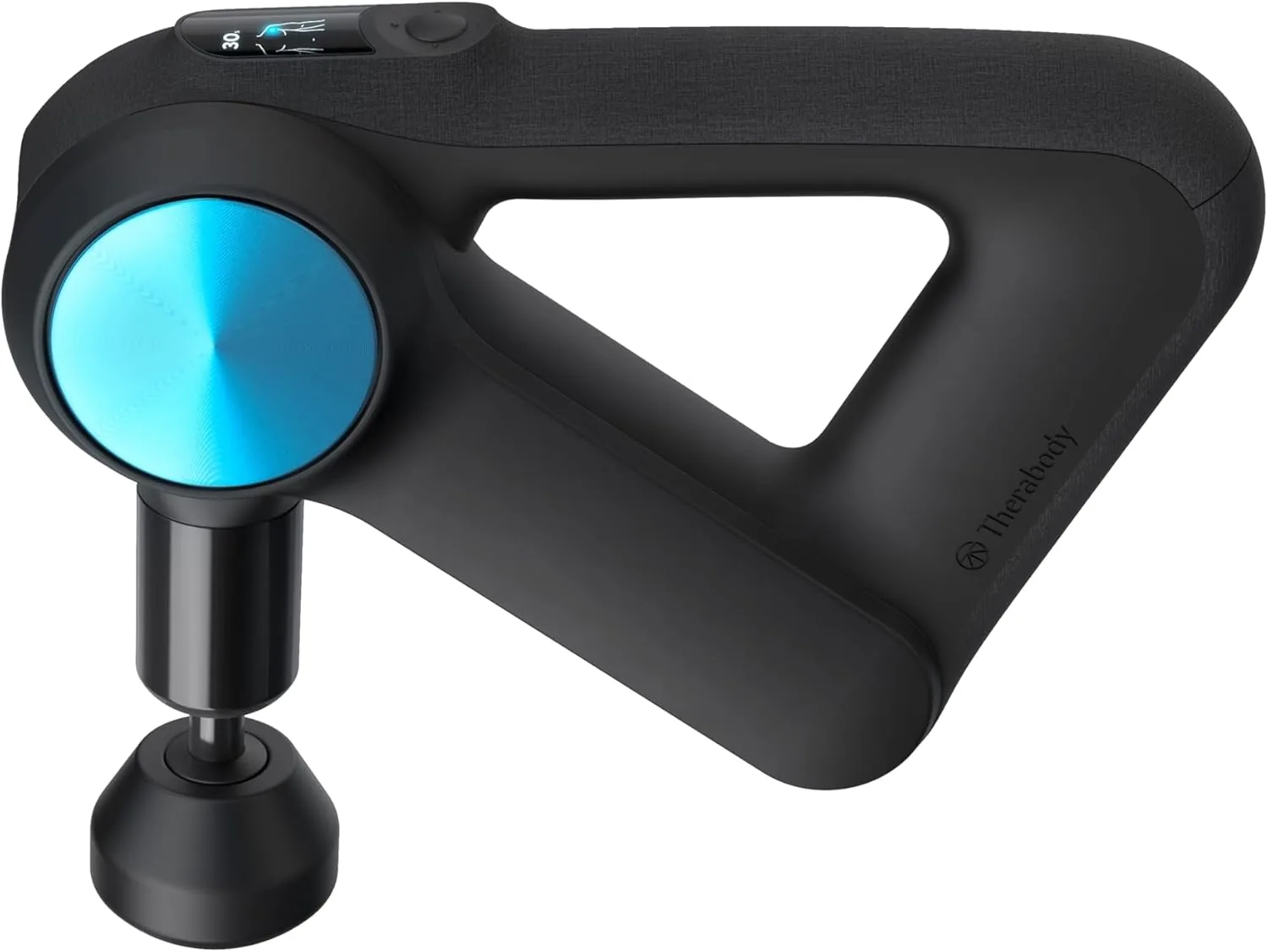 USD 449.25
TheraGun Pro Handheld Deep Tissue Massage Gun - Bluetooth Enabled Percussion Massage Gun & Personal Massager for Pain Relief & Circulation in Neck, Back, Leg, Shoulder and Body (Black - 5th Gen)
Smarter and Quieter: Theragun PRO is the ultimate deep tissue personal massager for recov…
View DetailsRelated Articles
- Anker Prime 250W 6-Port GaN Charging Station Buying Guide
- Desktop Charging Station Buying Guide for Clear Power Readouts
- Massage Gun Buying Guide for Desk Workers With Tight Shoulders
- Massage Gun Buying Guide for First-Time Percussion Therapy Buyers
- Massage Gun Amplitude Buying Guide for Deep Muscle Reach
- APHERMA Massage Gun Buying Guide for Affordable Athlete Recovery