
Massage Gun Amplitude Buying Guide for Deep Muscle Reach
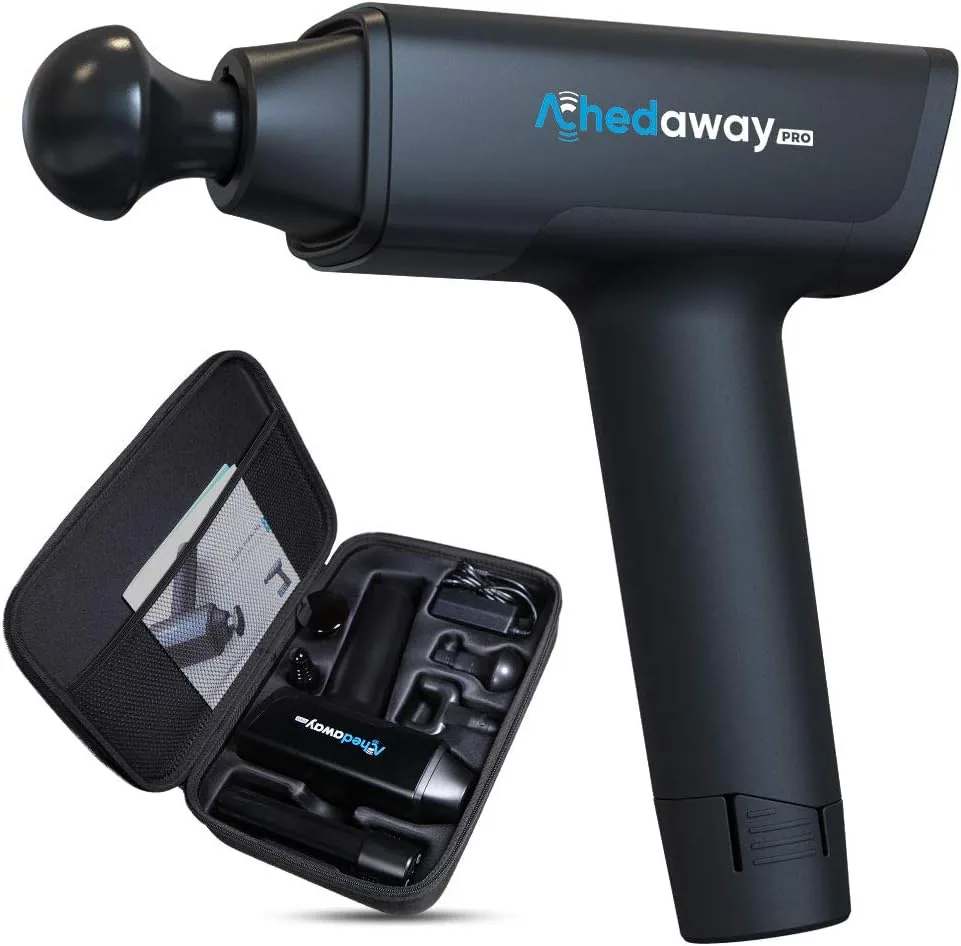
Amplitude — how far a massage gun's head travels with each strike — is the single biggest factor in whether a device actually reaches deep muscle tissue or just vibrates the skin. A 10mm gun and a 16mm amplitude massage gun can look identical in a product photo yet feel completely different on a dense quadricep. Buyers who skip this spec often end up with a device too shallow for athletes or too aggressive for recovery users. Both are expensive mistakes.
What amplitude means in a percussion massage gun
Amplitude, sometimes listed as stroke length or percussion depth, is measured in millimeters and describes the forward-and-back travel of the attachment head. More travel means each strike pushes deeper into the muscle before releasing. Frequency determines how many strikes land per minute; amplitude determines how far each one reaches.
Most consumer devices cluster into three bands:
- Shallow (roughly 6–10mm): Comfortable, surface-level work. Fine for the neck, calves, and casual recovery.
- Mid-range (roughly 10–13mm): The everyday sweet spot for general warm-ups and post-workout soreness.
- Deep (14–16mm): Built for large, dense muscle groups and serious deep-tissue work. This is where a true deep tissue massage gun earns its price.
So why the confusion? Marketing pages headline speed levels and stall force while burying amplitude in the fine print — or omitting it entirely. If a listing does not publish amplitude, treat that as a red flag and ask the supplier directly before committing to volume.
Choosing shallow, mid-range, or 16mm amplitude
Match the amplitude band to who will actually use the device:
- Office and light recovery users: Shallow to mid-range. A deep stroke on a tense trapezius feels punishing, not therapeutic.
- Regular gym-goers: Mid-range covers warm-up, cooldown, and general soreness without the cost premium of a 16mm amplitude massage gun.
- Athletes, lifters, and therapists: 16mm-class devices. Glutes, hamstrings, and quads simply do not respond to shallow percussion — the energy dissipates in surface tissue.
There is also a trade-off in comfort and control. Higher amplitude concentrates force into each strike, so it demands better ergonomics, a grippy handle, and adjustable speed. A deep-stroke gun with only one or two speed settings is hard to tolerate, and users will dial it down or abandon it.
How amplitude affects different muscle groups
Dense, large muscle groups — glutes, hamstrings, quads, lats — tolerate and benefit from maximum percussion depth. Thin muscles over bone (shins, forearms, neck) do not. If your end users treat the whole body with one device, prioritize amplitude but insist on a low speed setting and soft attachments for delicate areas.
A common purchasing mistake is buying one amplitude for everyone. A team of runners needs deeper reach than a wellness studio serving sedentary clients. Segment your order: deeper units for performance users, mid-range units for general populations.
Amplitude versus stall force and speed
These three specs work together, and judging any one alone misleads buyers.
- Amplitude sets the depth of each strike.
- Stall force is how much pressure the motor can take before stalling. A 16mm gun with weak stall force bottoms out the moment a user leans into a tight glute.
- Speed (PPM) controls strike frequency. Lower speeds at high amplitude feel slow and penetrating; high speeds feel buzzy and shallower.
The practical rule: pair high amplitude with high stall force and a wide speed range. A deep-stroke gun also needs real motor quality, because long stroke lengths stress cheap motors and shorten product life — a warranty and after-sales risk for any importer placing repeat orders.
Models to consider by amplitude needs
Our deep tissue massage gun catalog spans $25.99 to $599.00 USD and carries APHERMA, Achedaway, BOB AND BRAD, Ekrin Athletics, FITINDEX, HYDRAGUN, Hyperice, LifePro, Mebak, Medcursor, Opove, and PlayMakar — a range wide enough to cover every amplitude tier without switching suppliers.
Comparison at a glance
| Product | Category fit | Price | Best suited for |
|---|---|---|---|
| APHERMA Massage Gun | Entry-level percussion | Within the $25.99–$599.00 catalog range | Budget buyers, light recovery, first-time users |
| Ekrin Athletics models | Premium deep-tissue tier | Upper end of the catalog range | Athletes and buyers prioritizing deep reach and build quality |
| Hyperice models | Professional/clinical tier | Upper end of the catalog range | Teams, therapists, and high-frequency commercial use |
| LifePro models | Value mid-range tier | Mid catalog range | General consumers balancing cost and capability |
For a budget-driven order, the APHERMA Massage Gun is the entry point in this catalog and covers shallow-to-mid recovery needs. If your buyers need genuine deep-tissue performance, the premium tier — Ekrin Athletics and Hyperice in this lineup — is where the deeper-stroke, higher-stall-force machines sit, and the price reflects the motor and build quality behind that percussion depth. LifePro sits in the middle and suits mixed retail assortments where you cannot predict every end user's needs.
Before placing an order, request the published amplitude figure for each SKU from your supplier contact. Reputable brands in this category disclose it; if the number is missing from the spec sheet, that tells you which tier the device really belongs in.
Final pre-purchase checklist
- Confirm the published amplitude in millimeters for every SKU — no spec, no order.
- Match stall force to amplitude: deep stroke needs a motor that resists stalling under body weight.
- Verify at least 3–5 speed settings so deep-stroke guns remain usable on sensitive areas.
- Check attachments: multiple head shapes and foam densities extend a single unit across muscle groups.
- Ask about warranty terms and defect handling before committing to volume — motor failure is the top after-sales issue in this category.
- Segment your assortment: shallow/mid-range for general retail, 16mm-class for performance channels.
- Confirm price positioning across the $25.99–$599.00 range so each buyer tier has a clear option.
Get amplitude right and the rest of the spec sheet falls into place. Buy shallow and your athlete customers will feel the difference in one session; buy deeper than your market needs and you pay a premium nobody asked for. Ask for the stroke-length number on every quote, and hold the line on it.
Related Products
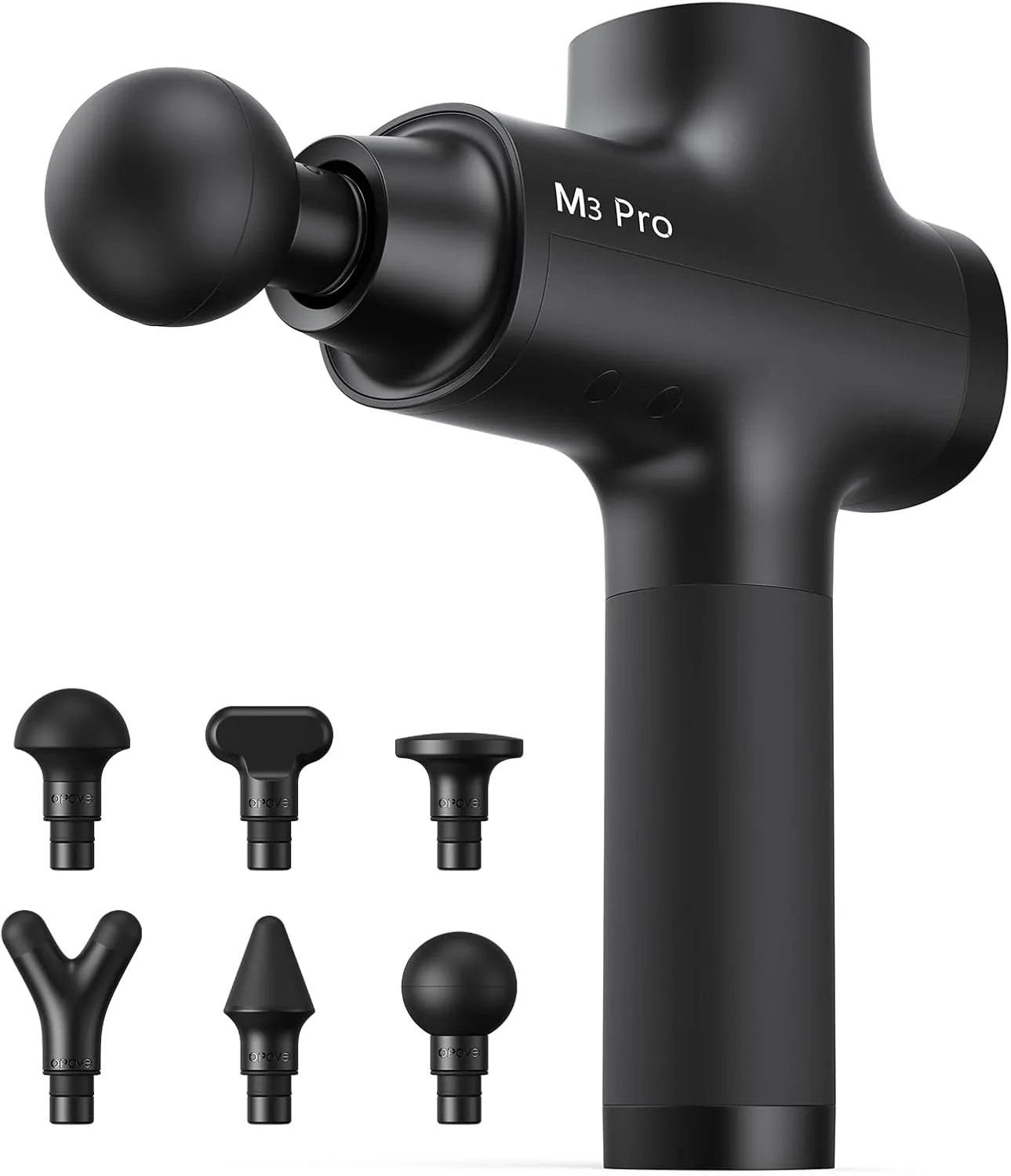 USD 97.49
Opove M3 Pro 2 Massage Gun Deep Tissue Percussion Muscle Massager for Workout, Handheld Percussive Therapy Fascia Gun for Athletes Fast Recovery 4-8 Hours Long Battery Life, Powerful, Quiet, Black
You Get What You Pay For - We work out daily and invest a lot of time and effort into our…
View Details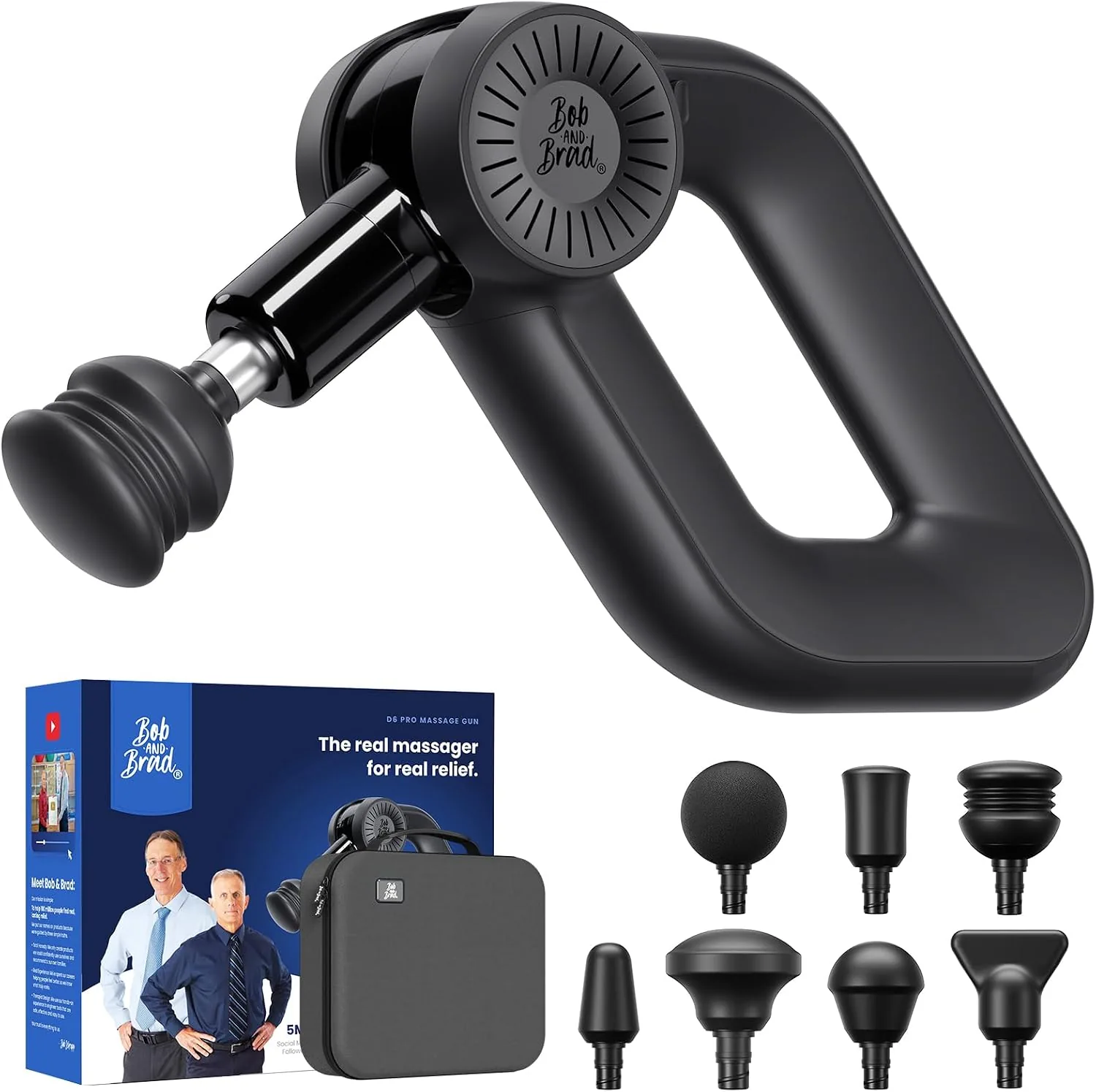 USD 149.99
BOB AND BRAD D6 Pro Massage Gun Deep Tissue Percussion with 16mm Amplitude 85lbs Stall Force, FSA Eligible & HSA Approved Professional Muscle Massager for Athletes, Quiet Electric Back Massager
Developed by Famous PTs Bob & Brad + World-Class Support: Created by the "Two Most Famous…
View Details
USD 224.25
Achedaway Pro 16mm Amplitude Massage Gun Deep Tissue Percussion Muscle Massager for Athletes Handheld Muscle Electric Gun - Carrying Case Included
☆ Strong Stall force & Deeper Massager: 80lbs stall force and 16 mm amplitudes help to re…
View Details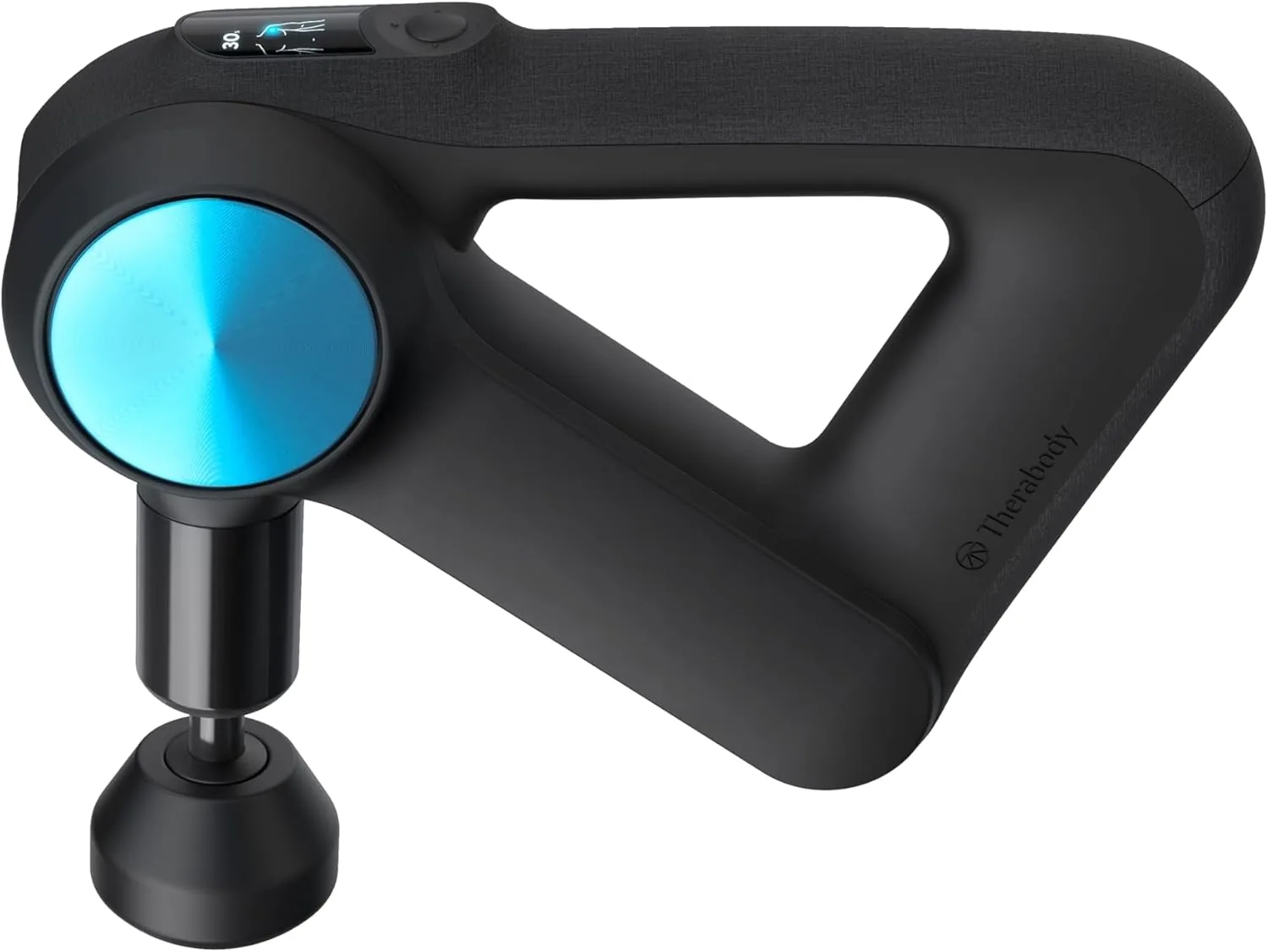 USD 449.25
TheraGun Pro Handheld Deep Tissue Massage Gun - Bluetooth Enabled Percussion Massage Gun & Personal Massager for Pain Relief & Circulation in Neck, Back, Leg, Shoulder and Body (Black - 5th Gen)
Smarter and Quieter: Theragun PRO is the ultimate deep tissue personal massager for recov…
View DetailsRelated Articles
- Desktop Charging Station Buying Guide for Families With Mixed Devices
- Baseus PowerCombo 100W Buying Guide for Desk and Outlet Charging
- Achedaway Pro Buying Guide for 16mm Amplitude Deep-Tissue Recovery
- Massage Gun Speed Settings Buying Guide for Controlled Percussion
- Massage Gun Buying Guide for Pre-Workout Muscle Activation
- Massage Gun Buying Guide for First-Time Percussion Therapy Buyers