
Bone Conduction vs Air Conduction: The Real Difference in Open-Ear Headphones
"Open-ear" is a marketing category, not a technology. Inside it sit two different physical mechanisms that sound different, fit differently and fail in different situations — bone conduction, and what the industry calls air conduction. The words on the box will rarely tell you which one you are holding, so here is the difference.
Two mechanisms, one promise
| Bone conduction | Air conduction (open earbuds) | |
|---|---|---|
| How sound reaches you | Transducer vibrates against the cheekbone | Speaker driver fires into the ear from outside the canal |
| Ear canal | Completely free | Free, but the driver sits close to it |
| Sound quality | Thin bass; good for speech and podcasts | Near-regular earbud quality with a slight bass loss |
| Strength | Nothing covers the ear; unbeatable situational awareness | Better sound while staying aware of traffic |
| Weakness | Loud environments bury quiet passages | Loud environments bury quiet passages, just less |
| Fits best for | Running, cycling, swimming | Work, walks, all-day wear |
Bone conduction: the runners' standard
The bone-conduction shelf is dominated by one brand for a reason: the earloop design stays put when nothing else does. OpenMove at $59.96 is the entry point, OpenRun at $97.46 the classic runner's pick, and OpenRun Pro 2 at $134.96 the current top of the line. Aeropex at $97.46 is the previous generation of the same idea at a discount, and OpenSwim Pro at $224.96 is a different product entirely: a swimmer's pair with built-in storage, because radio does not travel through water.
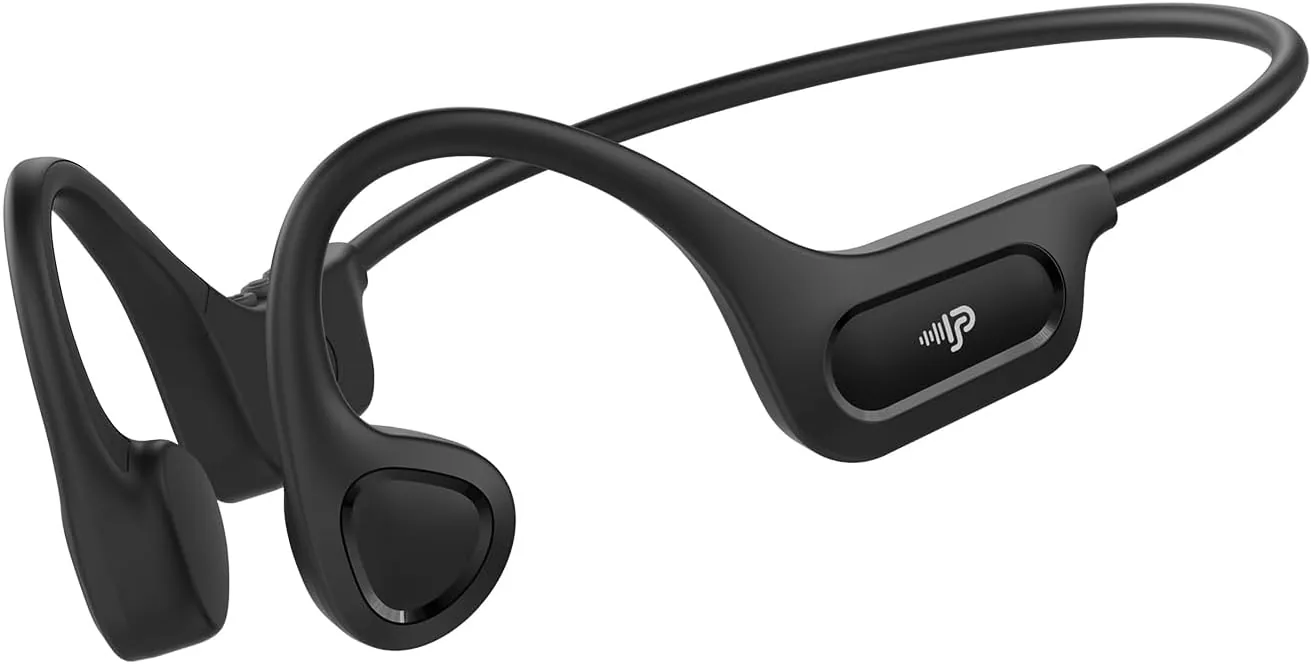
Budget bone conduction exists, and the trade is real. PSIER at $27.74 and Sanag B33S at $29.99 keep the form factor and the awareness benefit, but expect thinner sound and a transducer you can feel at higher volume. mojawa Run Plus at $119.25 sits in between and is the pair to look at if you want the sport fit with a stronger low end.
Air conduction: the clip-ons that took over
Clip-on open earbuds solved the one problem bone conduction never did: sound quality. Soundcore C30i at $52.49 and C40i at $74.99 anchor the value end; AeroFit 2 at $97.49 and AeroFit Pro at $127.49 move up the same line; JBL SoundGear Sense at $112.46 and Cleer ARC 3 at $164.99 compete in the middle; Bose Ultra Open at $224.25 is the premium expression, with sound that approaches a regular pair of earbuds.
The naming is inconsistent on purpose: "open earbuds", "clip-on", "open-ear buds" all describe the same mechanism. What varies is the clip — some grip the ear, some hook it — and that is the thing to try before you buy, because an open earbud that does not fit your ear is not open, it is just quiet.
The hybrids, and one oddity
Shokz straddles both shelves. OpenFit at $134.96 and OpenFit 2 at $134.96 are air-conduction earbuds from the bone-conduction brand — they are built for comfort and calls rather than for sport. Read the product line before you buy the brand expecting the cheekbone driver.
Sony LinkBuds at $134.99 are the oddity: a regular earbud driver with a physical hole through the middle, mixing an open design with a sealed-ish fit. It is neither mechanism and both at once, and it appeals to exactly one person: someone who wants ambient awareness without clips or loops.
Choosing in one pass
- Running or cycling in traffic — bone conduction, and the security of an earloop. Start at OpenRun and decide if the jump to OpenRun Pro 2 is worth it.
- Swimming laps — OpenSwim Pro. Nothing else in the category works in water.
- All-day wear at work or home — air-conduction clip-ons; comfort and sound quality beat bone conduction here.
- You only care about sound and barely about awareness — you probably want regular earbuds with a transparency mode, not this category at all.
The category's honest weakness: open-ear designs trade loud environments for safety. In a quiet room every pair here sounds fine. Beside a busy road, you hear the road — that is the feature, not the defect, and the difference between bone and air conduction is simply how much of your music you keep while you do.
Related Products
 USD 27.74
PSIER Bone Conduction Headphones, 2026 Upgrade Bluetooth 6.0 Open Ear Headphones, 10Hrs Playtime Wireless Earbuds with Mic, 23g Lightweight Comfort, IPX5 Waterproof Running Headphones for Gym, Outdoor
[Next-Gen Bone Conduction Tech] Psier Bone conduction headphones utilize the latest Bone …
View Details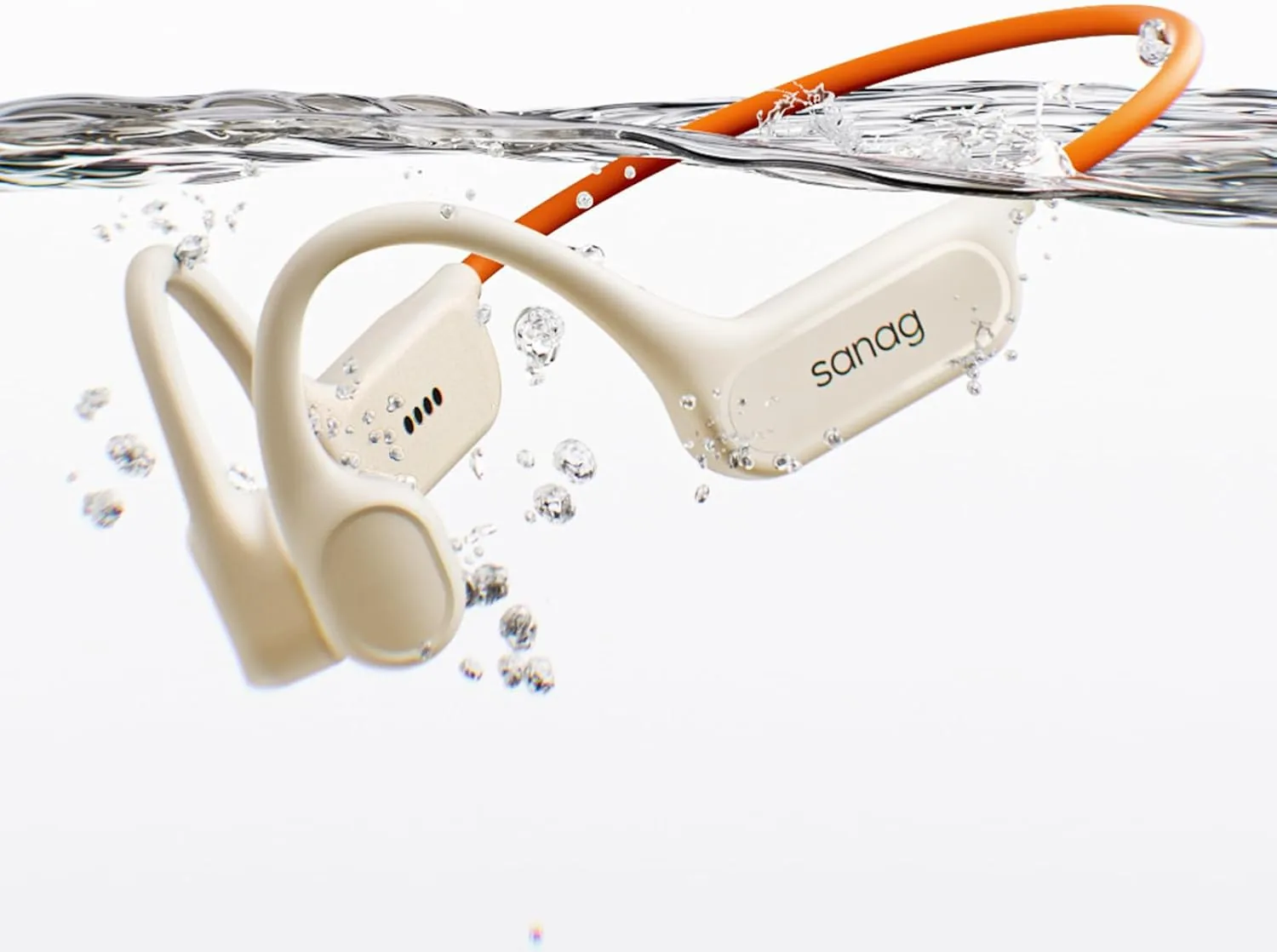 USD 29.99
Sanag B33S Bone Conduction Headphones Bluetooth 6.0, IPX8 Waterproof Swimming Earbuds with 32GB MP3, 8H Playtime Open Ear Headset with Mic for Running Cycling Sport Swim, Beige
💧 IPX8 WATERPROOF FOR SWIMMING - Professional IPX8 waterproof rating protects against ful…
View Details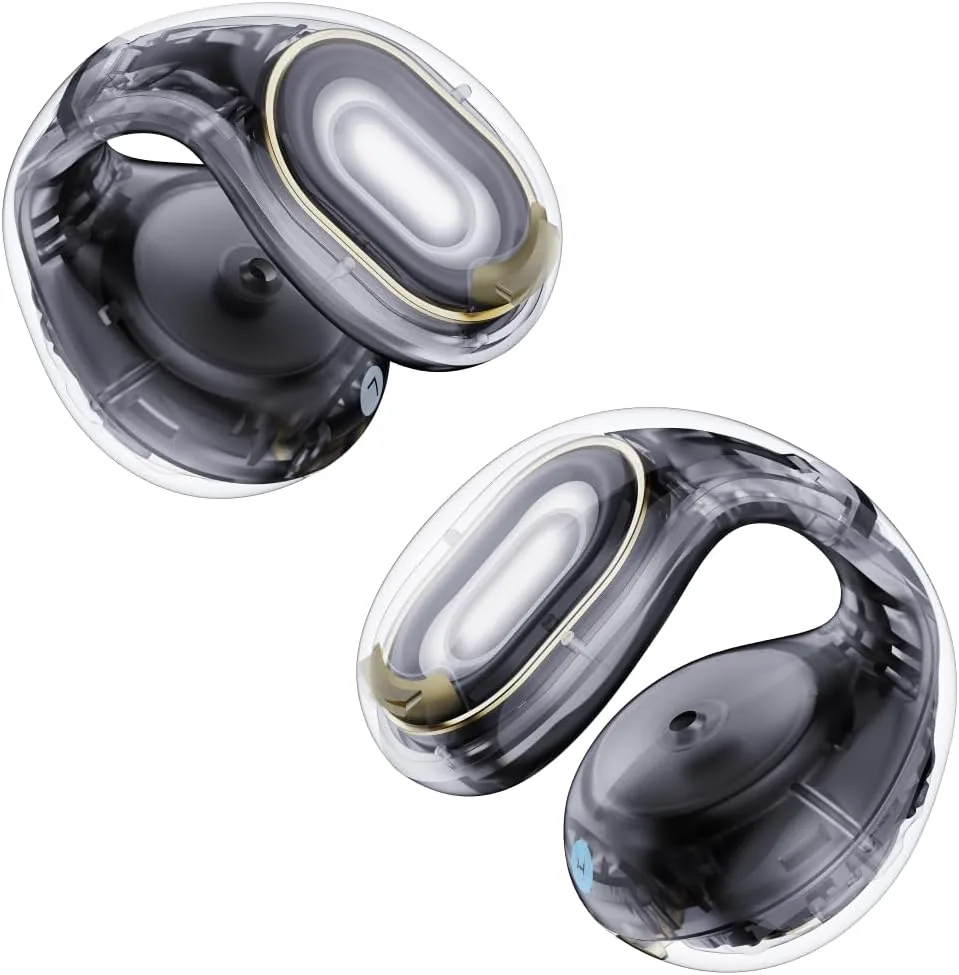 USD 52.49
Soundcore C30i by Anker, Open-Ear Earbuds, Clip-On Headphones, Lightweight Comfort, Stable Fit, Firm-Shell Design, Attachable Ear Grips, Big Drivers for Clear Audio, 30H Play, IPX4 Water-Resistant
Breathable Comfort: Enjoy unparalleled comfort with soundcore C30i open ear earbuds, expe…
View Details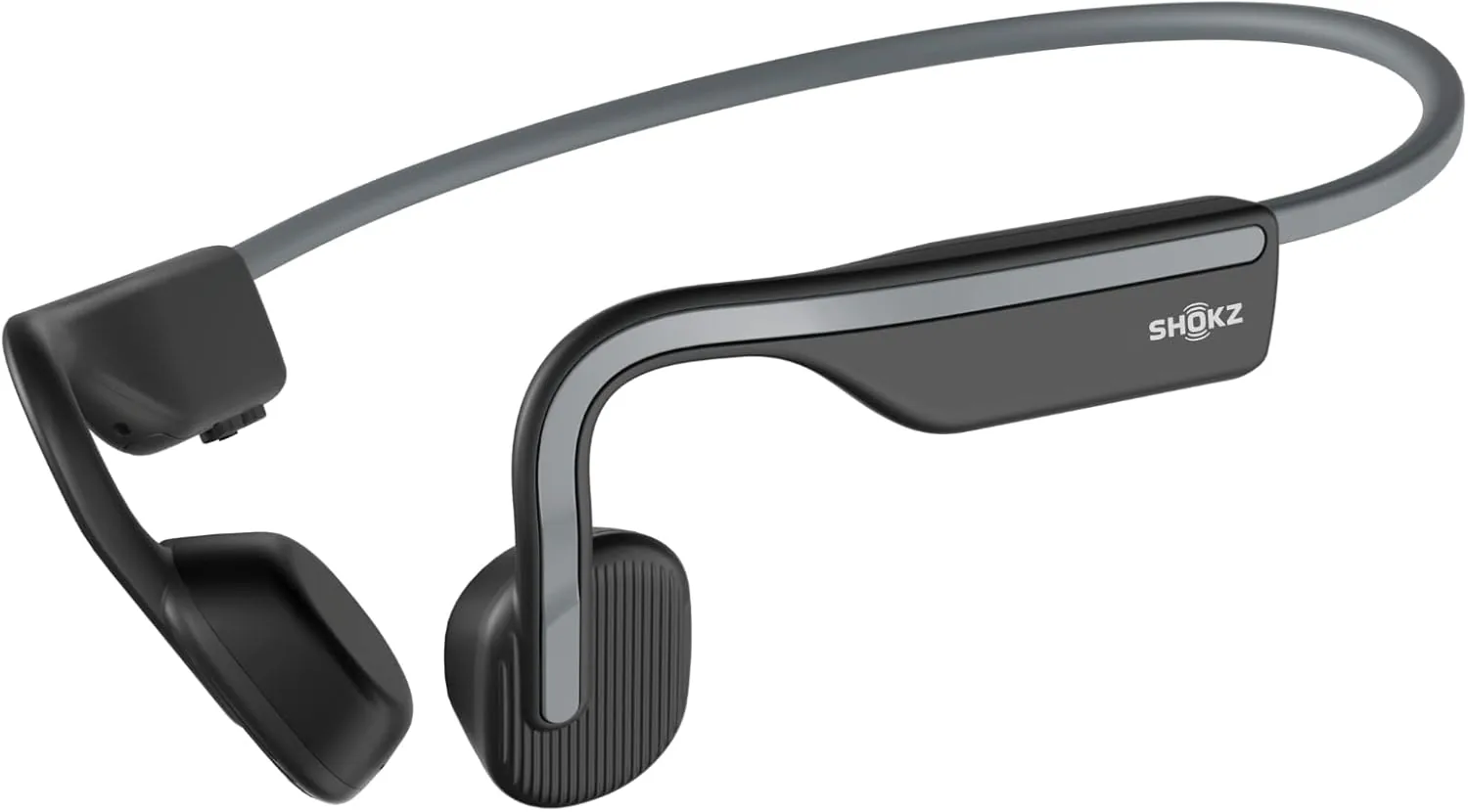 USD 59.96
SHOKZ OpenMove - Open-Ear Bluetooth Sport Headphones, Bone Conduction Wireless Earphones, Sweatproof for Running and Workouts, with Sticker Pack, Grey
Open-Ear Headphones - Experience unmatched comfort with our lightweight, secure fit, feat…
View DetailsRelated Articles
- How ANC Tiers Actually Work: What Separates a $30 Pair From a $400 Pair
- Standing Desk or Ergonomic Chair First? The Trade the Specs Don't Show
- Pickleball Paddle Specs Explained: Core, Face and Weight
- Smart Lighting Protocols Explained: WiFi, Bluetooth, Zigbee Hub or No Radio
- Backpacks and Bags Sorted by What You Reach For
- Mattress Topper Cooling Explained: Gel, Latex and the Fine Print