
Garmin Watch Lines Explained: Forerunner, vívoactive, Venu, Instinct, epix and fēnix
Garmin's problem is not that the watches are bad. It is that there are six concurrent lines, the names carry no obvious hierarchy, and the price ranges overlap heavily. A Forerunner can cost more than a Venu. An Instinct can cost more than a vívoactive. Nothing in the words "Venu" or "epix" tells you which one has a touchscreen or which survives being dropped on rock.
What follows is the actual logic behind the lineup, and where the watches we currently stock land inside it.
The one-line version of each family
| Line | Built around | Buy it if |
|---|---|---|
| Forerunner | Running and triathlon training | You care about pace, intervals and training load more than notifications |
| vívoactive | Everyday fitness at the lowest sensible price | You want one watch for the gym, sleep and daily wear without paying for sport-specific depth |
| Venu | Health tracking with a nicer finish | You want the AMOLED-and-metal experience and health features over training analytics |
| Instinct | Physical durability | The watch will meet rock, saltwater, cold or a jobsite |
| epix / fēnix | Everything, with no compromises on battery or materials | Multi-day expeditions, mapping, or you simply want the top of the range |
| Bounce / vívofit jr. | Kids | Location and messaging for a child, not fitness for you |
Forerunner — the running line
Forerunner is the oldest and most internally varied family. The number is a tier, not a generation: Forerunner 55 at $103.20 is an entry running watch, Forerunner 165 at $159.20 adds a brighter display and more training feedback, and Forerunner 965 at $399.99 sits at the top with mapping and the largest screen in the line.
The reason to buy Forerunner over vívoactive at a similar price is not the sensor set — it is the software. Structured workouts, race predictions and recovery guidance are the point. If you never look at any of that, you are paying for software you will not open.
vívoactive — the default choice
vívoactive is what most people should look at first, and it is the line most often skipped because the name sounds unglamorous. vívoactive 5 at $149.58 and vívoactive 6 at $235.99 cover general fitness, sleep and wellness tracking in a 42 mm case without the price of the Venu finish or the training depth of a Forerunner.
The honest framing: vívoactive is the line you buy when you want a Garmin, not when you want a specific Garmin capability.
Venu — the same job, better materials
Venu overlaps vívoactive almost completely on features. What separates it is display quality, case finish and health-side depth. Venu 3S at $235.20 is the 41 mm size, Venu 3 at $235.99 the 45 mm, and Venu 4 at $399.99 is the current top of the line.
If you are comparing a Venu against a vívoactive and cannot articulate a feature you need from the Venu, buy the vívoactive and keep the difference.
Instinct — the one you stop worrying about
Instinct exists for a single reason: the watch has to survive. It is the line to pick when the failure you are protecting against is physical rather than functional.
The current three make the tiers unusually clear. Instinct E at $159.99 is the simplest and cheapest. Instinct 3 Solar at $239.99 trades display quality for solar charging and the longest runtime in the family. Instinct 3 AMOLED at $239.20 does the opposite — a bright modern display, at the cost of the solar advantage.
That Solar-versus-AMOLED fork is the only genuinely difficult decision in the Instinct line, and it comes down to one question: do you want to stop charging it, or do you want to enjoy looking at it?
epix and fēnix — the top, split two ways
These are the same class of watch with different display philosophies. epix Pro (Gen 2) Sapphire at $552.00 is the AMOLED expression; fēnix 8 at $599.99 is the flagship multisport line. Both include mapping, sapphire glass and the materials that justify the price.
Neither is a sensible first Garmin. They are what you buy after you already know which feature you kept wishing your last watch had.
Bounce and vívofit jr. — a different product entirely
These are not small versions of the adult watches. Bounce 2 at $199.99 is a kids' watch with calling, messaging and location tracking, and it needs a subscription to do the part parents actually want. vívofit jr. 3 at $71.99 is the opposite approach — no GPS, no subscription, about a year on a coin cell.
Choose between them on whether you need to reach the child, or only to encourage them to move.
Choosing in one pass
- If it is for a child, the decision is Bounce (reachable) or vívofit jr. (not).
- If the watch will get hit, dropped or soaked, go Instinct and stop there.
- If you train with structure and read the numbers afterwards, go Forerunner.
- If you want a good all-round watch and have no specific requirement, go vívoactive.
- Only move up to Venu, epix or fēnix if you can name the thing you are paying for.
Most buyers who are unsure end up correctly served by a vívoactive or an entry Forerunner. The expensive lines are worth their price, but they are worth it to people who arrive already knowing why.
Related Products
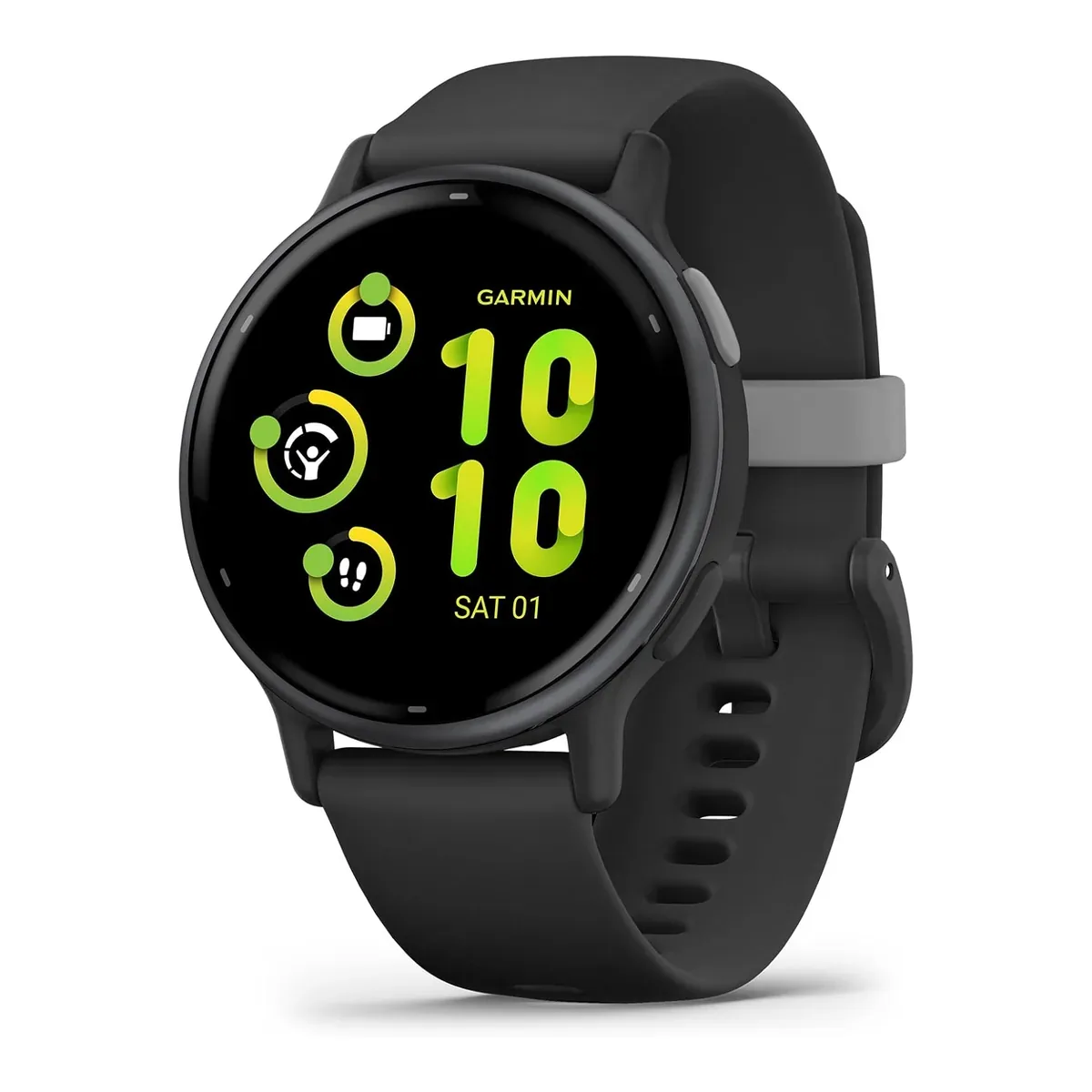 USD 149.58
Garmin vívoactive® 5, Health & Fitness GPS Smartwatch, 42mm, Black
Designed with a bright, colorful AMOLED display, get a more complete picture of your heal…
View Details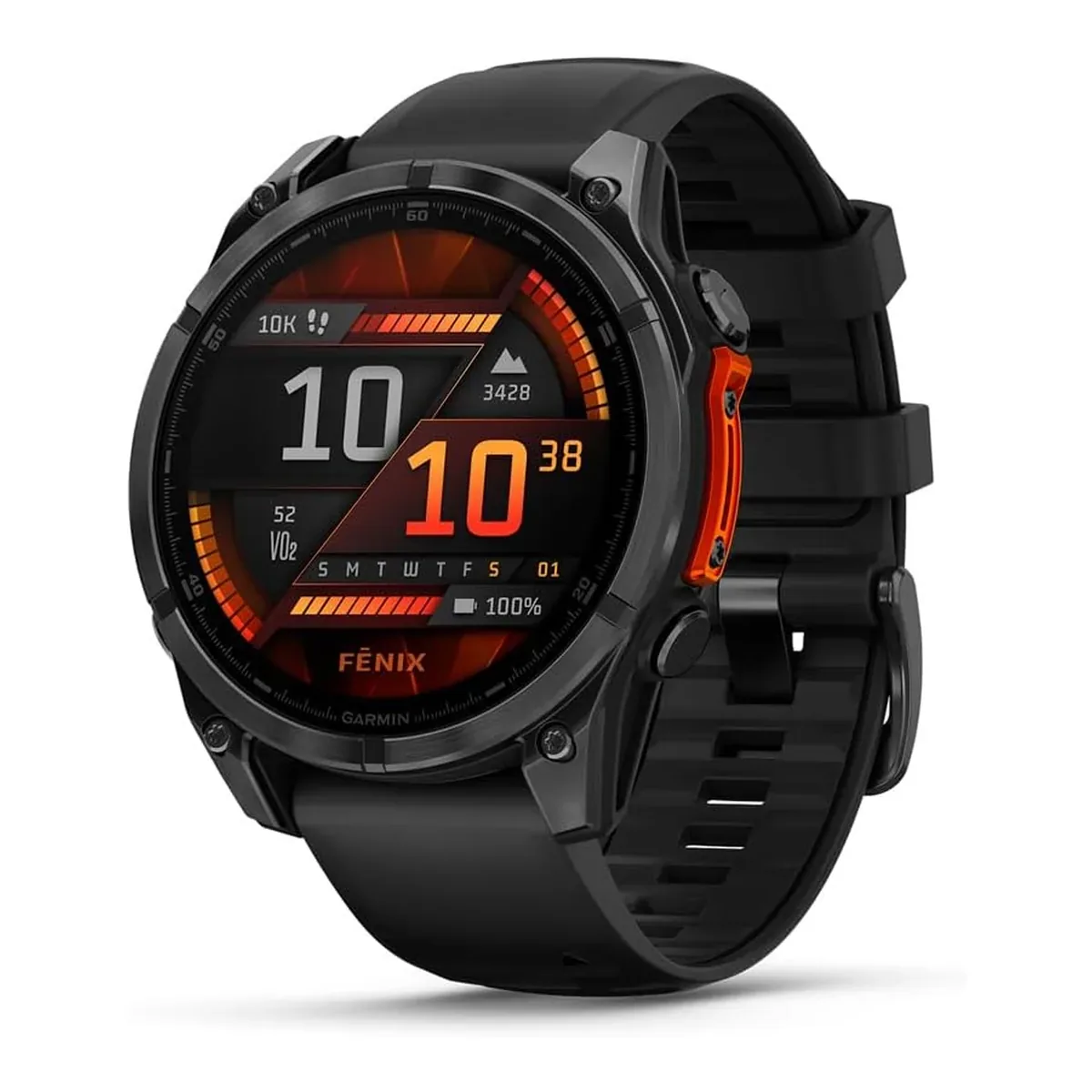 USD 599.99
Garmin fēnix® 8, 47mm, Black
Advanced multisport GPS smartwatch for athletes/adventurers features a bright 1.4” AMOLED…
View Details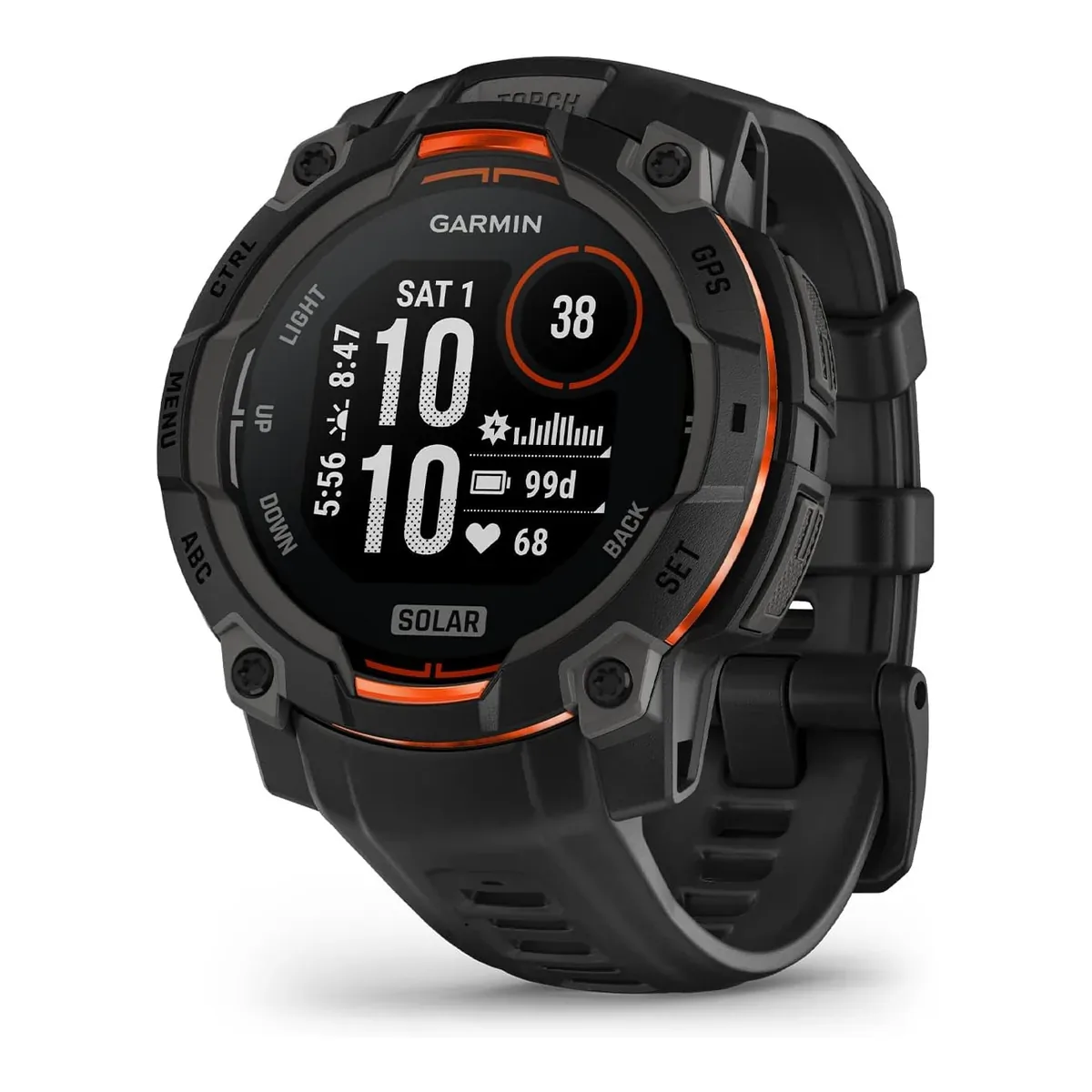 USD 239.99
Garmin Instinct® 3 Solar, Rugged GPS Smartwatch, 45mm, Black
Make a bold statement with this rugged GPS smartwatch, featuring a 0.9” display with sola…
View Details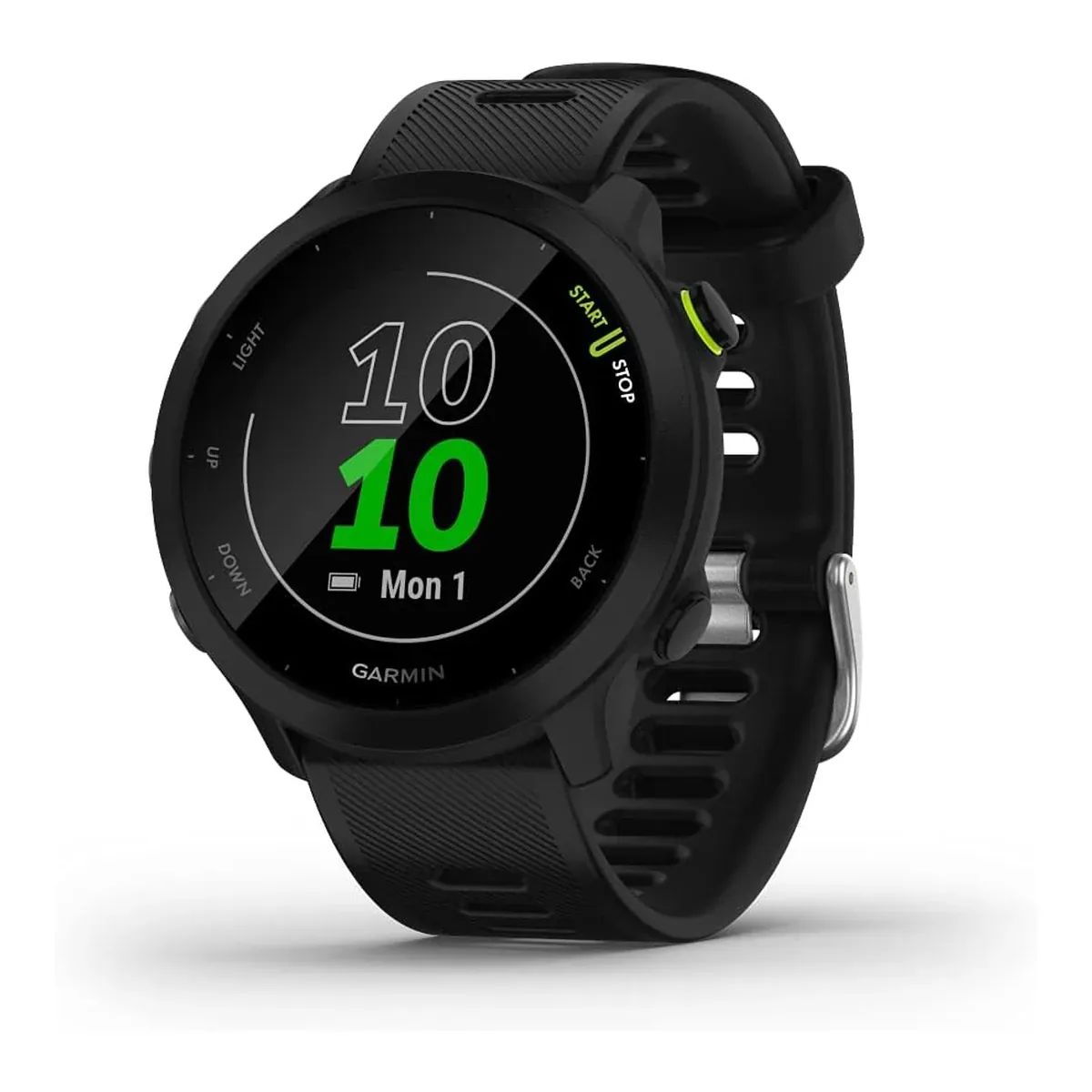 USD 103.20
Garmin Forerunner 55, GPS Running Watch with Daily Suggested Workouts, Up to 2 Weeks of Battery Life, Black - 010-02562-00
Easy-to-use running watch monitors heart rate (this is not a medical device) at the wrist…
View DetailsRelated Articles
- Desktop Charging Station Buying Guide for Dorm Room Device Charging
- How ANC Tiers Actually Work: What Separates a $30 Pair From a $400 Pair
- Carry-On Luggage Explained: What Aluminum Frame Really Means
- Pickleball Paddle Specs Explained: Core, Face and Weight
- Backpacks and Bags Sorted by What You Reach For
- Mattress Topper Cooling Explained: Gel, Latex and the Fine Print